- Duration
- Advised after consultation, depending on coverage
(numbing time separate) - Recommended sessions
- Typically intervals of 4-6 weeks or more
(decided after checking recovery) - Downtime
- Relatively significant
(duration of scabbing and erythema advised after consultation, depending on intensity and coverage)
CO2 Fractional and CO2 Pinhole are invasive ablative lasers with significant downtime. Results vary greatly with skin type and condition, and overly aggressive treatment can leave the skin sensitive, so we decide carefully after consultation whether to proceed. The aim is to make scars less noticeable, not to erase them.
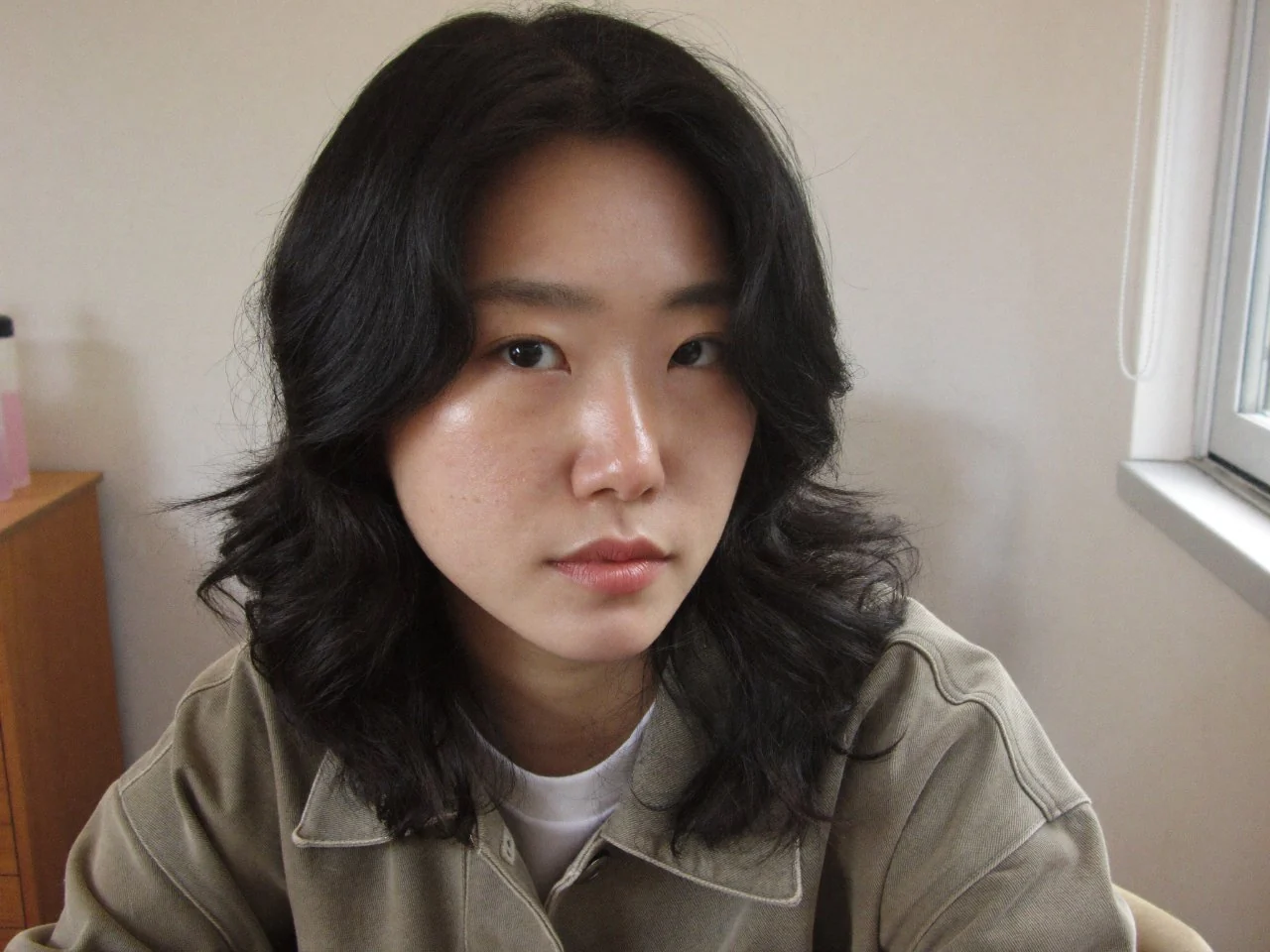
01Overview
CO2 Fractional · CO2 Pinhole
An ablative fractional laser that addresses scars directly
CO2 Fractional · CO2 Pinhole is scar treatment with a carbon dioxide (CO2) laser, done in one of two ways: the ablative fractional method, which spreads the energy across a wide area in microscopic dots, and the pinhole method, which makes small, closely spaced holes only within the scar itself.
- Duration
- Advised after consultation, depending on coverage
(numbing time separate) - Recommended sessions
- Typically intervals of 4-6 weeks or more
(decided after checking recovery) - Downtime
- Relatively significant
(duration of scabbing and erythema advised after consultation, depending on intensity and coverage) - How long it lasts
- Improvements are retained
(builds over sessions / varies widely by individual)
How we approach it
The same device can be run very differently.
CO2 Fractional Laser is a treatment option that addresses scars directly. However, it is invasive and has significant downtime.
Results vary greatly depending on skin type and baseline condition, and excessive treatment can instead make the skin more sensitive. That is why we decide whether to proceed, and at what intensity, through consultation.
Dr. Tae Hoon Kim, Medical Director
02What to expect
Changes over time
The principle is to create microscopic thermal channels in the skin while the normal skin between them aids recovery, inducing collagen regeneration in the dermis along with regeneration of scarred and pore areas.
 01
Right after treatment
Redness, warmth, and swelling appear, and fine scabs begin to form.
 02
A few days to 1 week
The phase in which scabs and flakes fall off and the surface recovers. Do not pick them off; regenerative care runs alongside.
 03
Weeks 1-4
Redness may remain where scabs have fallen off. Sun protection is especially important to prevent hyperpigmentation.
 04
Several months
As collagen regeneration continues, changes in scars and texture appear gradually. The degree varies widely by individual.
 05
Progress check
After checking recovery, we decide whether to proceed with the next session, the interval, and any combination with other scar treatments.
03Device & Technology
Fractional CO2 Device
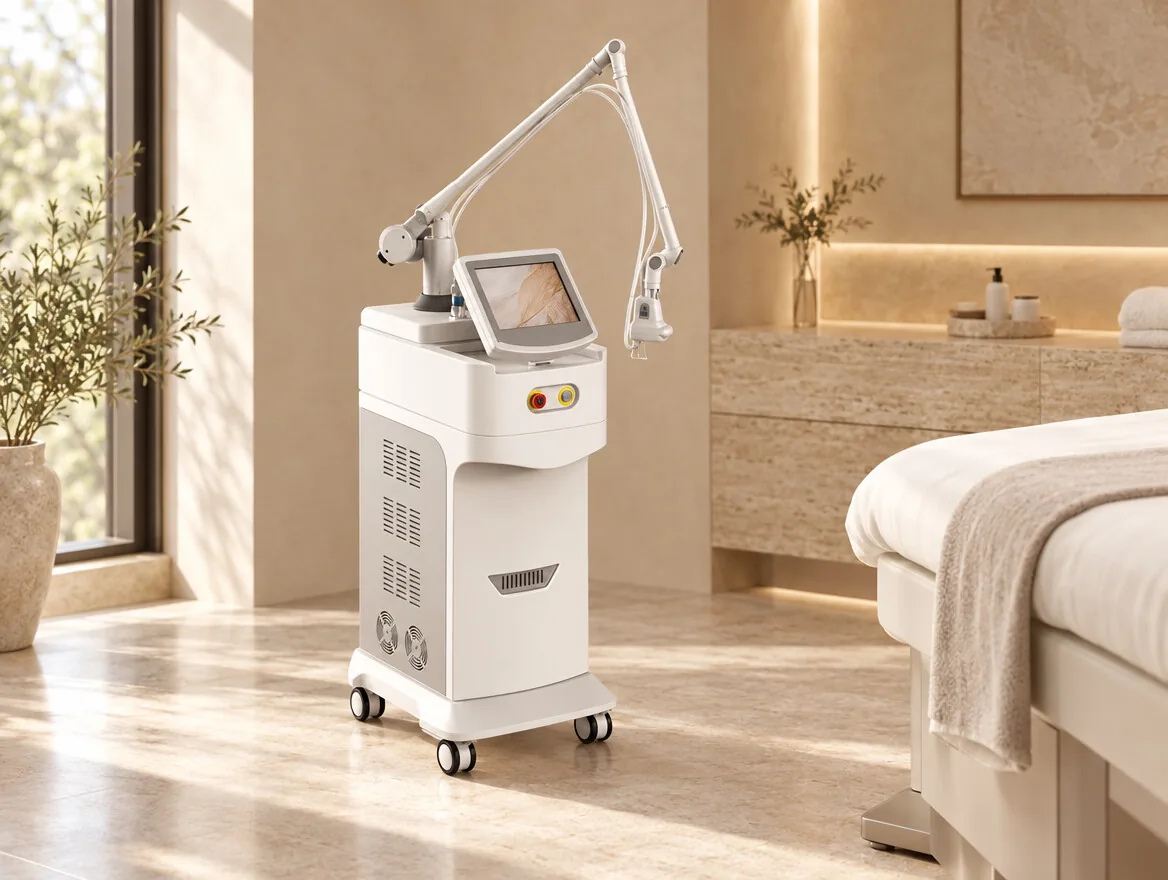
Fractional delivery
The laser is delivered in microscopic dots so that the normal skin remaining between them aids recovery.
CO2 Pinhole
Small, closely spaced holes are made only within the scar, giving focused regenerative stimulation to hardened scar tissue.
Intensity and density control
Intensity and density are set to match skin type and scar condition. Excessive settings can make the skin sensitive, so they are set after consultation.
Scar treatment combinations
Depending on scar type, it is sometimes used with other methods such as subcision and TCA cross as part of the Scar Combination Program.
04Procedure
How your visit goes
 01
Specialist diagnosis
The type and age of scars, your skin type, and baseline condition are assessed.
 02
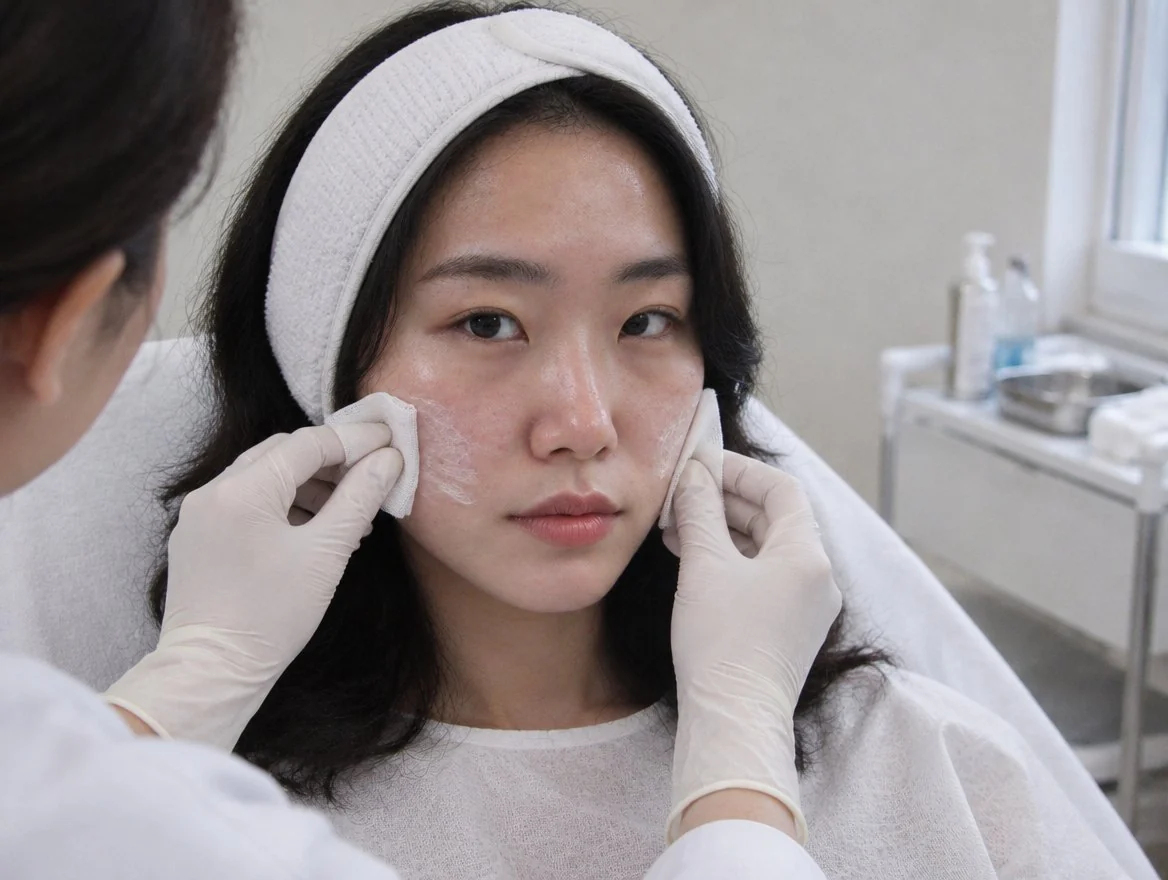
Consultation and decision
We explain downtime and expected reactions, and decide together whether CO2 Fractional Laser or a less invasive approach suits you.
 03
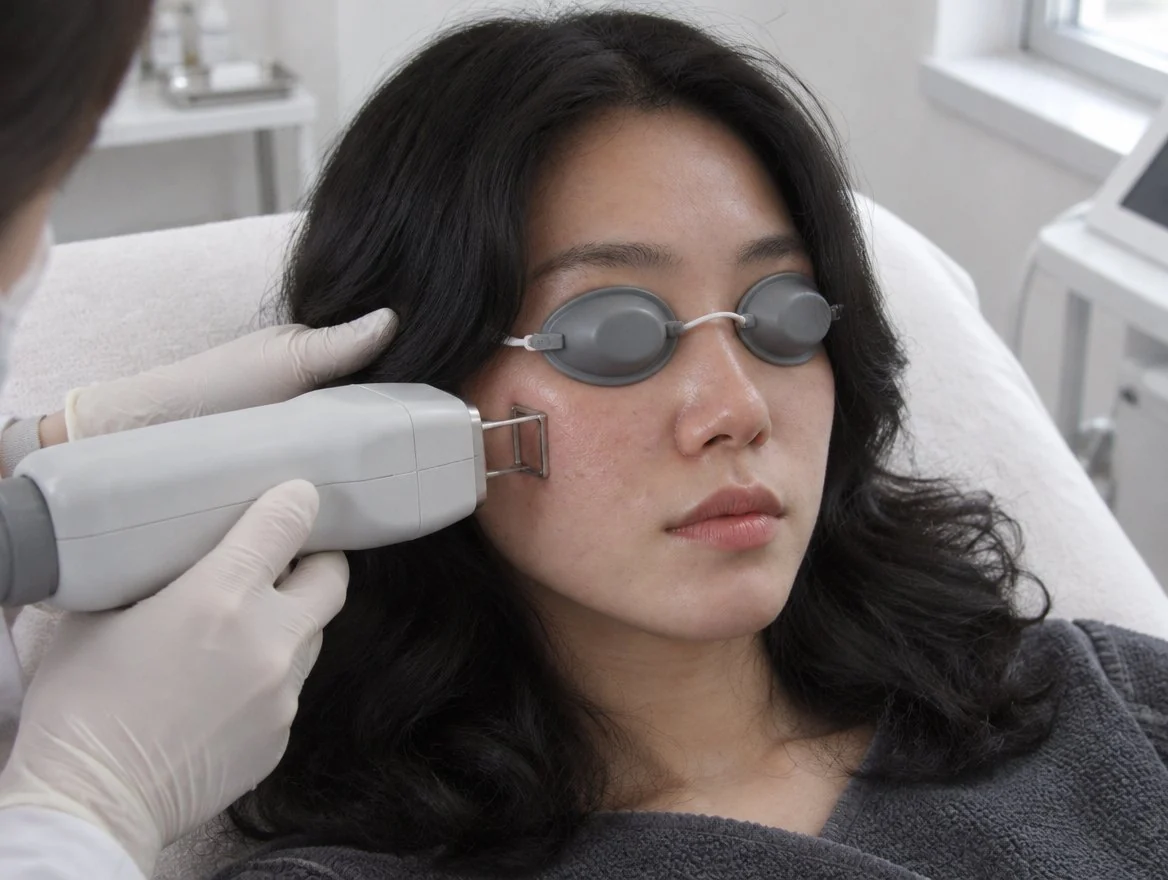
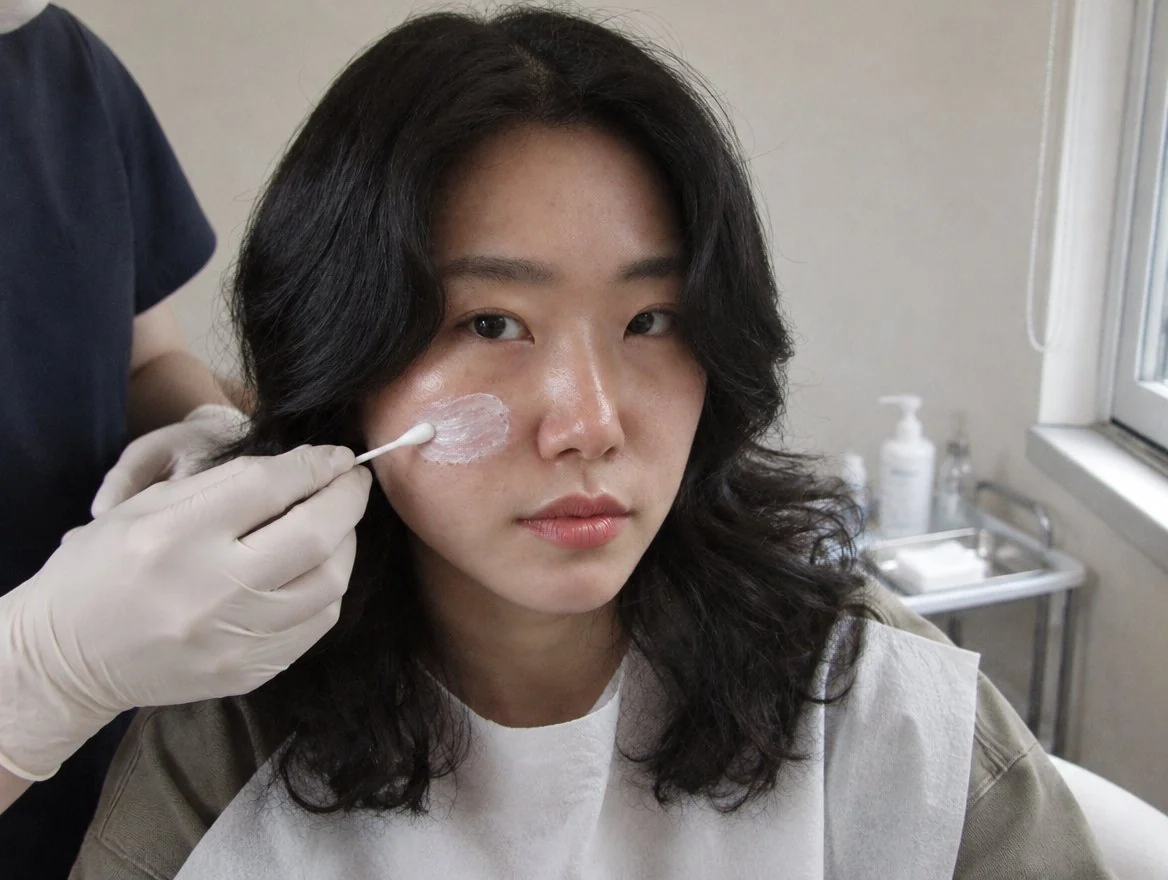
Treatment
After topical numbing, a board-certified dermatologist adjusts intensity and density by area.
 04
Aftercare
Guidance on moisturizing, sun protection, and progress checks during the scab and erythema recovery period.
Every procedure is performed directly by a board-certified dermatologist.
05Aftercare
Recovery & care
- 01
Same day
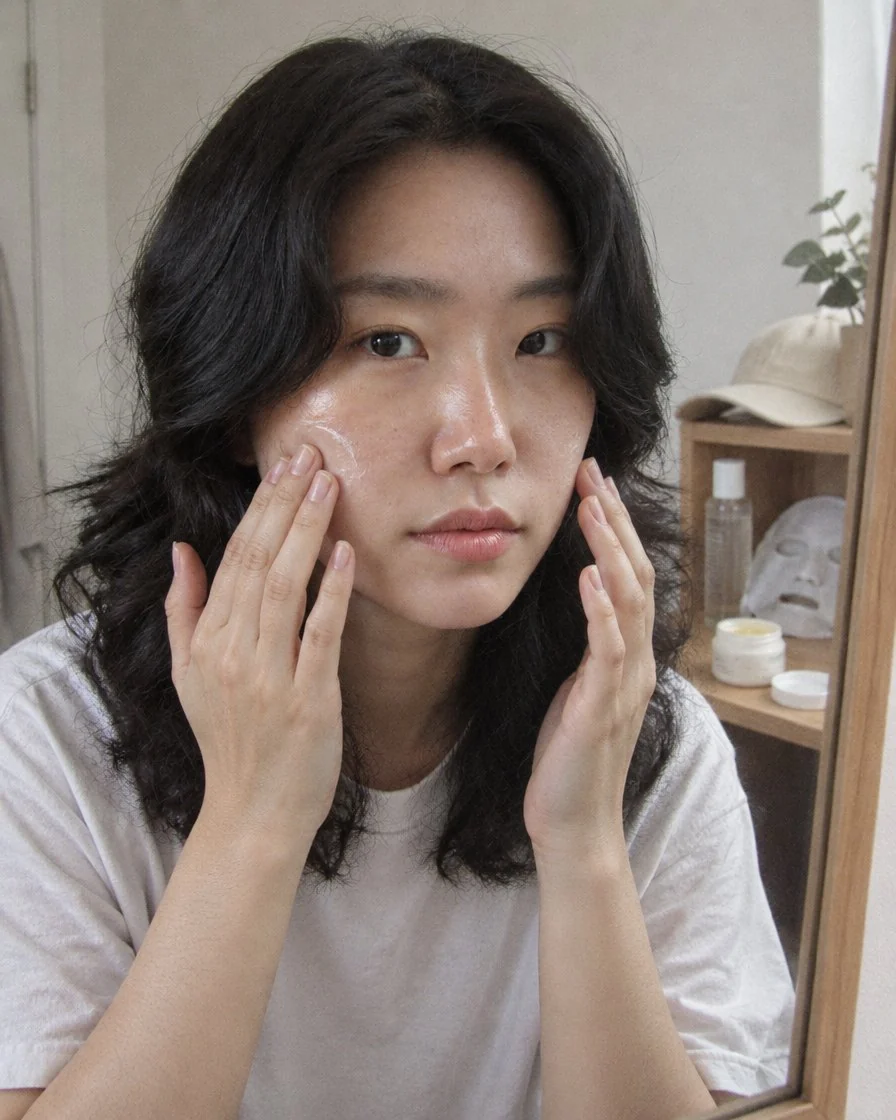
Redness or warmth may occur. Do not rub; apply the ointment and moisturizer we recommend, and avoid saunas and alcohol.
- 02
Scabs and flaking
Do not pick off scabs. Letting them fall off naturally is important for preventing hyperpigmentation.
- 03
Weeks 1-4
Sun protection affects results. Apply SPF30 or higher daily and reapply every 2 hours when outdoors.
- 04
Progress check
The timing of the next session is adjusted based on recovery speed and response. If anything feels wrong during recovery, contact us right away.
06FAQ
Frequently asked questions
How does CO2 Fractional Laser work?
CO2 Fractional Laser is an ablative fractional laser that delivers carbon dioxide laser energy divided into microscopic dots. It creates microscopic thermal channels in the skin, and the normal skin remaining between them aids recovery so that collagen regeneration takes place. It is used to induce regeneration in scarred and pore areas.
How is CO2 Pinhole different from fractional?
CO2 Pinhole uses the same CO2 laser to make very small, closely spaced holes only within the scar. Unlike fractional treatment, which covers a wide area evenly, it focuses on each individual scar, stimulating hardened scar tissue and helping collagen settle back into that spot. Depending on the shape and depth of the scars, we use one method or the other, or both together.
Which scars or skin concerns is it used for?
It is mainly used for depressed acne scars, uneven skin surface, enlarged pores, and rough texture. Scars call for different approaches depending on their shape (boxcar, rolling, ice pick) and when they formed, so we check at consultation whether a scar is suited to CO2 Fractional Laser beforehand. Scars caused by tethering may need another method alongside, since laser alone is not enough.
Can anyone have it?
It is not suitable for everyone, so the decision is made after consultation. Results vary greatly depending on skin type and baseline condition, and excessive treatment on skin that is already sensitive or slow to recover can instead make it more sensitive. In such cases, we may recommend a plan that builds the skin's foundation with a less invasive approach beforehand.
How does it relate to the Scar Combination Program?
CO2 Fractional Laser is one of the components that can be included in the Scar Combination Program. The Scar Combination Program combines subcision, TCA cross, Accent Prime Micro Plasma (Legato), erbium shouldering, and others according to scar type, and within it CO2 Fractional Laser is considered for refining surface irregularities and scar edges. Whether to use it on its own or in combination is decided based on the condition of your scars.
Is the treatment very painful?
The pain is moderate, and treatment proceeds after topical numbing cream to manage discomfort. How much you feel depends on the intensity and coverage and varies by individual. If you feel uncomfortable during treatment, please tell us right away.
How much downtime is there?
CO2 Fractional Laser is a treatment with relatively significant downtime. After treatment, redness and warmth appear along with fine scabs, and some redness may remain for a while even after the scabs fall off. The recovery period depends on intensity and coverage, so if you have an important event, let us know at consultation and we will adjust the timing and intensity together.
How many sessions do I need, and how far apart?
Multiple sessions are often needed depending on scar depth and skin response. The next session proceeds after the skin has sufficiently recovered, so intervals are typically 4-6 weeks or more, set after checking recovery. The total number of sessions is advised after consultation based on the condition of your scars.
When do results appear?
Collagen regeneration continues after the surface recovers, so change appears gradually over several weeks to months. The goal is to reduce scar depth and edges as sessions accumulate. The degree of improvement varies widely by individual depending on scar depth and skin condition.
What side effects are there?
Redness, swelling, and scabs occur after treatment, and hyperpigmentation may develop if the skin is exposed to UV during recovery. If the intensity is too high for your skin condition, the skin can instead become more sensitive, so intensity is set to match your skin type and baseline condition. Infection or worsening of scars may rarely occur, so please contact us right away if anything feels wrong during recovery.
Are there cases where treatment is difficult?
If there is infection or a wound in the treatment area, you have recently had strong UV exposure or tanned, take photosensitizing medication, or are pregnant, treatment is postponed or adjusted. If you are prone to keloids, or are taking or have recently taken oral acne medication (isotretinoin-type), be sure to tell us at your visit as well. If your skin has become sensitive, we may recommend stabilizing the skin's foundation beforehand.
How should I care for my skin after treatment?
Wash gently without rubbing, then apply the ointment and moisturizer we recommend generously. Do not pick off scabs; letting them fall off naturally reduces the risk of hyperpigmentation. During recovery, apply sunscreen of SPF30 or higher daily and reapply every 2 hours when outdoors.
How much does CO2 Fractional · CO2 Pinhole cost, and how do I book?
The cost depends on the treatment coverage, intensity, and session plan, and is confirmed after consultation. Non-covered treatment fees can be found on the pricing page of our website. Booking is available via Naver Booking, our KakaoTalk channel, or phone (+82-51-710-1891), and consultations are also available via LINE; Grays Dermatology is located at L Tower 10F, 6 Jwadongsunhwan-ro, Haeundae-gu, Busan.
Fees
Pricing depends on coverage, intensity, and number of sessions, and is confirmed after consultation.
See the fee schedule →References 4
- Approval: Fractional CO2 · MFDS (Korean FDA) approved
- Korea MFDS medical device registry
- Korean Dermatological Association
- Reviewed by: Dr. Tae Hoon Kim, Medical Director
⚠ Cautions & contraindications
- Active infection or open wounds in the treatment area
- Recent strong UV exposure or tanning (increased risk of hyperpigmentation)
- Photosensitive conditions or taking photosensitizing medication
- Pregnancy (not recommended due to insufficient safety data)
- If you are prone to keloids, be sure to tell us at your visit
- Currently taking or recently took oral acne medication (isotretinoin-type)
- If your skin barrier is damaged or your skin has become sensitive, tell us at your visit
Summary & comparison
| Treatment | Target layer | Main change | Duration | How long it lasts | Downtime |
|---|---|---|---|---|---|
| CO2 Fractional · CO2 Pinhole | — | An ablative fractional laser that addresses scars directly | Advised after consultation, depending on coverage (numbing time separate) | Improvements are retained (builds over sessions / varies widely by individual) | Relatively significant (duration of scabbing and erythema advised after consultation, depending on intensity and coverage) |
| Ultherapy PRIME | L4 SMAS & Muscle | Ultrasound lifting that reaches the SMAS layer | 40-60 minutes depending on the number of shots | Typically 6 months to 1 year (individual results vary) | Immediate return to daily life; temporary swelling or tingling possible |
| Accent Prime Tune Face | L3 Fat layer | RF lifting that tunes texture, firmness, and contour together | 30-50 minutes | Maintained over several months (individual results vary) | Immediate return to daily life |
| Oligio | L2 Dermis | Monopolar RF tightening with a lighter footprint | 30-50 minutes | Several months to 1 year (individual results vary) | Immediate return to daily life |
| PicoWay / PicoWay Resolve | L1 Epidermis | A picosecond laser that shatters pigment into fine particles | 10-30 minutes | Builds over a course of sessions (maintenance needed) | Toning: immediate return; spot and tattoo removal: small scabs for a few days |
Treatments used for the same concern, placed side by side. Which one fits is decided in consultation after the layer is identified.
Aftercare
Pore · scar lasers
These treatments create micro-injuries to trigger regeneration, so care over the following days is directly linked to the result.
Recovery course
- Day of treatmentRedness, warmth and swelling are clearly visible. Focus on soothing and moisturising.
- Days 2–4Fine crusts and flaking appear. Do not peel them off.
- Days 5–7Flaking settles and makeup can be worn comfortably.
- Months 1–3Changes in scars and pores appear over this period. If sessions are split, keep to the interval.
Precautions
- Sun exposure: for at least 2 weeks; apply sunscreen daily
- Sauna, hot baths, strenuous exercise and alcohol: for 3–5 days
- Exfoliating products: for 2 weeks
When to contact the clinic
- Weeping, pus or fever
- Redness getting worse beyond 2 weeks
- Blisters similar to cold sores if you have a history of herpes
Next session · next visitSessions are usually 3–4 weeks apart. Scars often need several methods combined.
Full aftercare guide →

Next step
Wondering if this treatment fits you?
Tell us what concerns you, and after your consultation we will explain the suitable treatment, schedule and fees in detail.