Target layerL1 · EpidermisEpidermis
- Duration
- Advised after consultation, depending on the number of lesions and coverage
- Recommended sessions
- One or several sessions depending on the lesion
(intervals advised after consultation, by device and lesion) - Downtime
- Scabs and erythema at lesion sites for a few days to 1 week
(varies by device and lesion)
Spot Clear is a combination treatment in which we diagnose each pigmented lesion and choose the most suitable laser for it. Depending on type and depth, several treatments may be needed; lesions may recur or new ones may appear, and responses vary by individual.
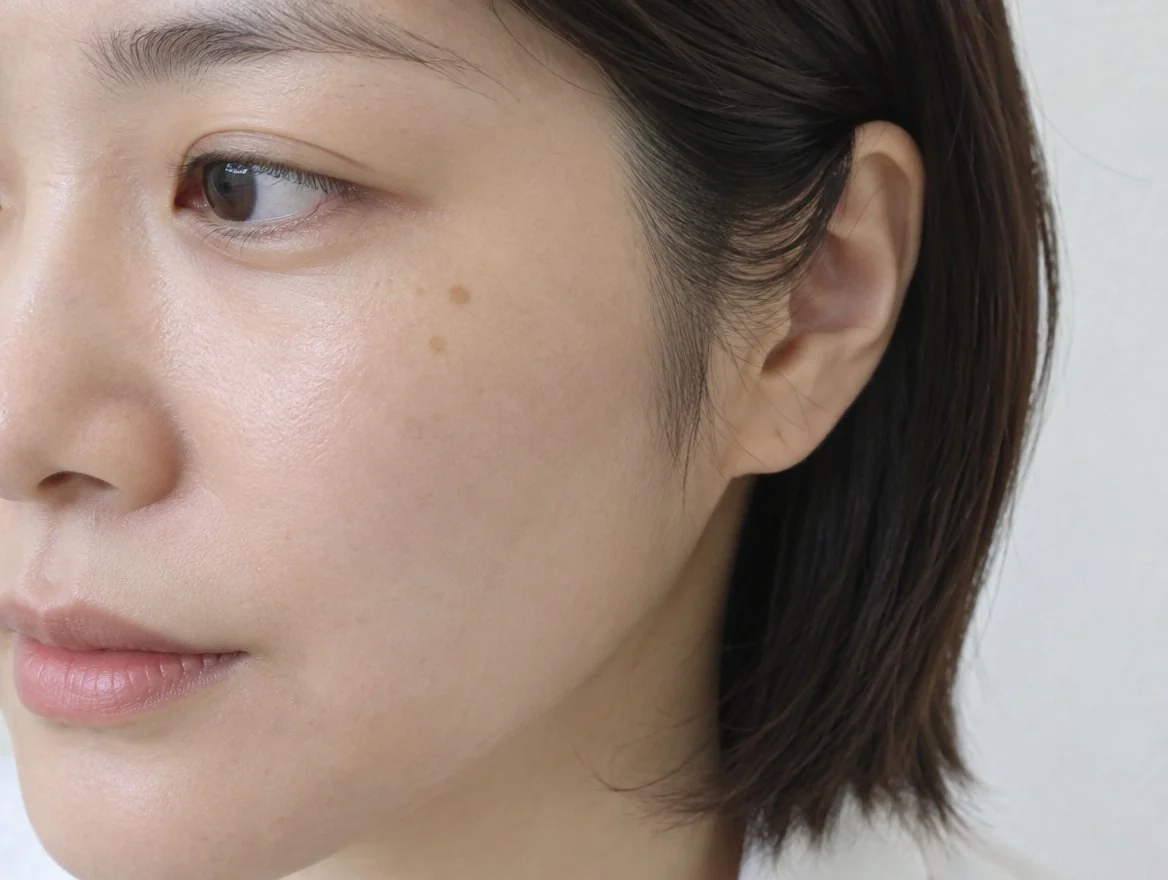
01Overview
Spot Clear
Combination treatment that diagnoses pigmented lesions and assigns a laser to each
Spot Clear is a program that diagnoses facial pigmented lesions such as blemishes and seborrheic keratoses, then assigns a suitable laser to each lesion for combination treatment.
- Duration
- Advised after consultation, depending on the number of lesions and coverage
- Recommended sessions
- One or several sessions depending on the lesion
(intervals advised after consultation, by device and lesion) - Downtime
- Scabs and erythema at lesion sites for a few days to 1 week
(varies by device and lesion) - How long it lasts
- Varies by lesion
(recurrence or new lesions possible)
How we approach it
The same device can be run very differently.
We use PicoWay, StarWalker, GentleMax Pro, RedTouch Pro, erbium YAG laser, and others in combination, according to the type, size, and depth of the pigmentation and the skin's baseline condition.
Because each lesion calls for a different treatment, we distinguish and diagnose lesions before choosing devices and settings.
Dr. Tae Hoon Kim, Medical Director
02What to expect
Changes over time
The principle is to use PicoWay, StarWalker, GentleMax Pro, RedTouch Pro, erbium YAG laser, and others separately according to the type, size, and depth of the pigmentation and your skin's baseline condition.
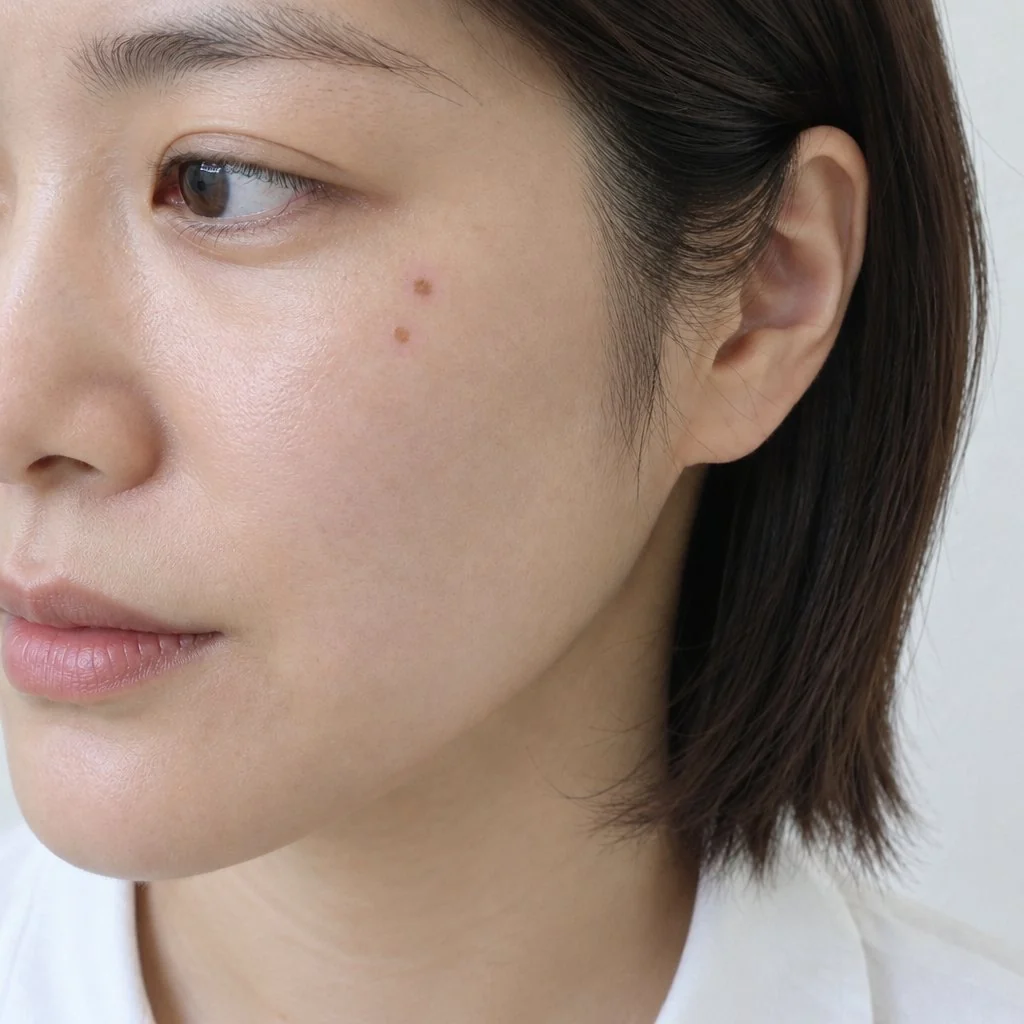 01
Right after treatment
Erythema or stinging may occur at lesion sites, and lesions may look temporarily darker.
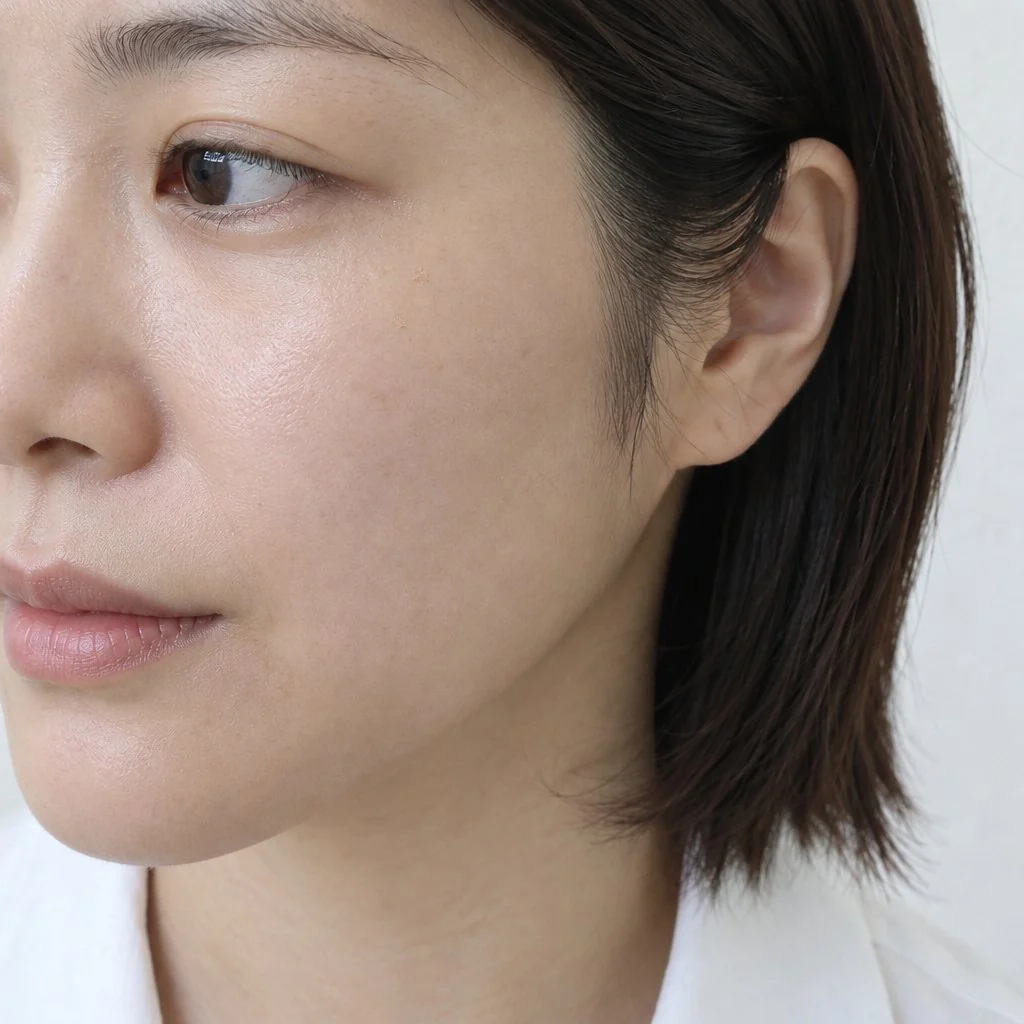 02
A few days to 1 week
The recovery phase in which scabs form and fall off. Do not pick them off.
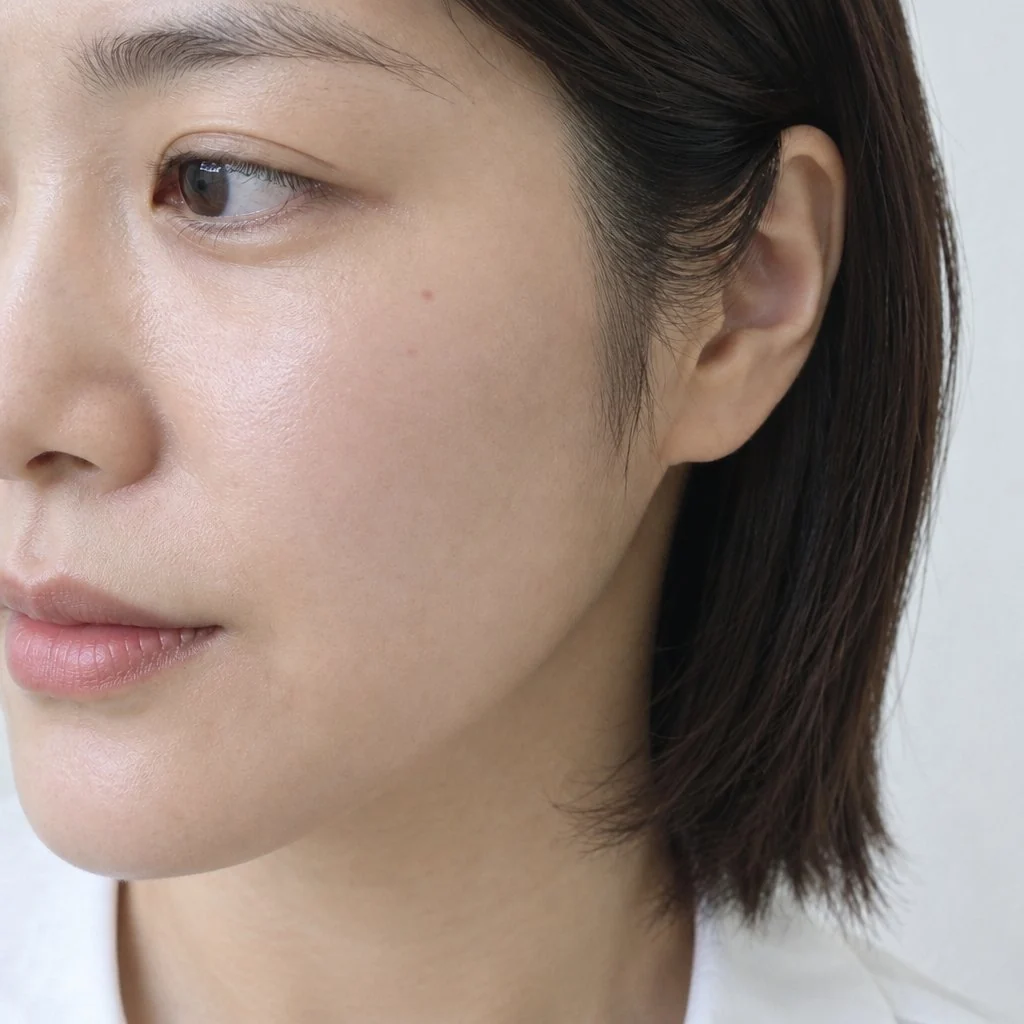 03
Weeks 1-4
Skin where scabs have fallen off may look red or light pink. Sun protection is especially important to prevent hyperpigmentation.
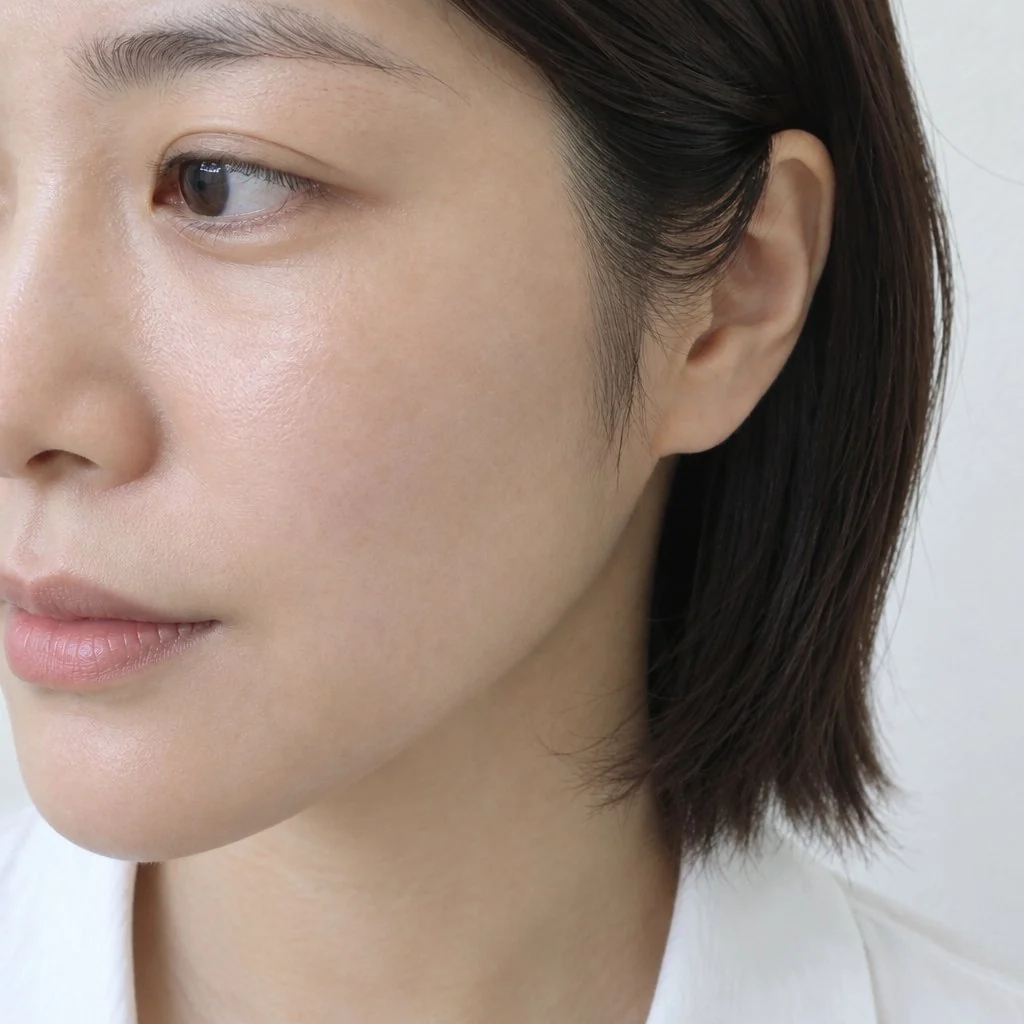 04
Further treatment
Remaining lesions are treated further at intervals that vary by device and lesion. The number of sessions needed differs by lesion.
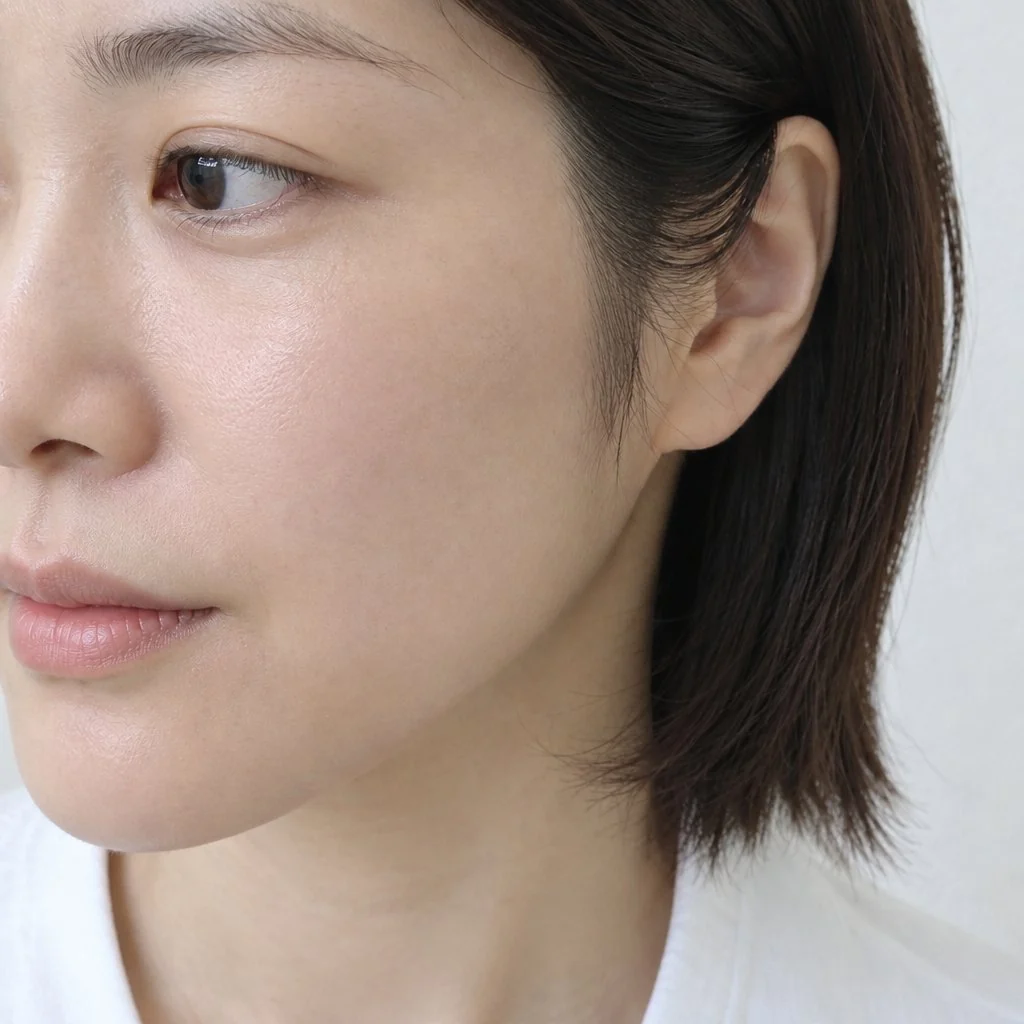 05
Maintenance
Lesions may recur or new ones may develop depending on UV and lifestyle factors, so care continues while monitoring progress.
04Procedure
How your visit goes
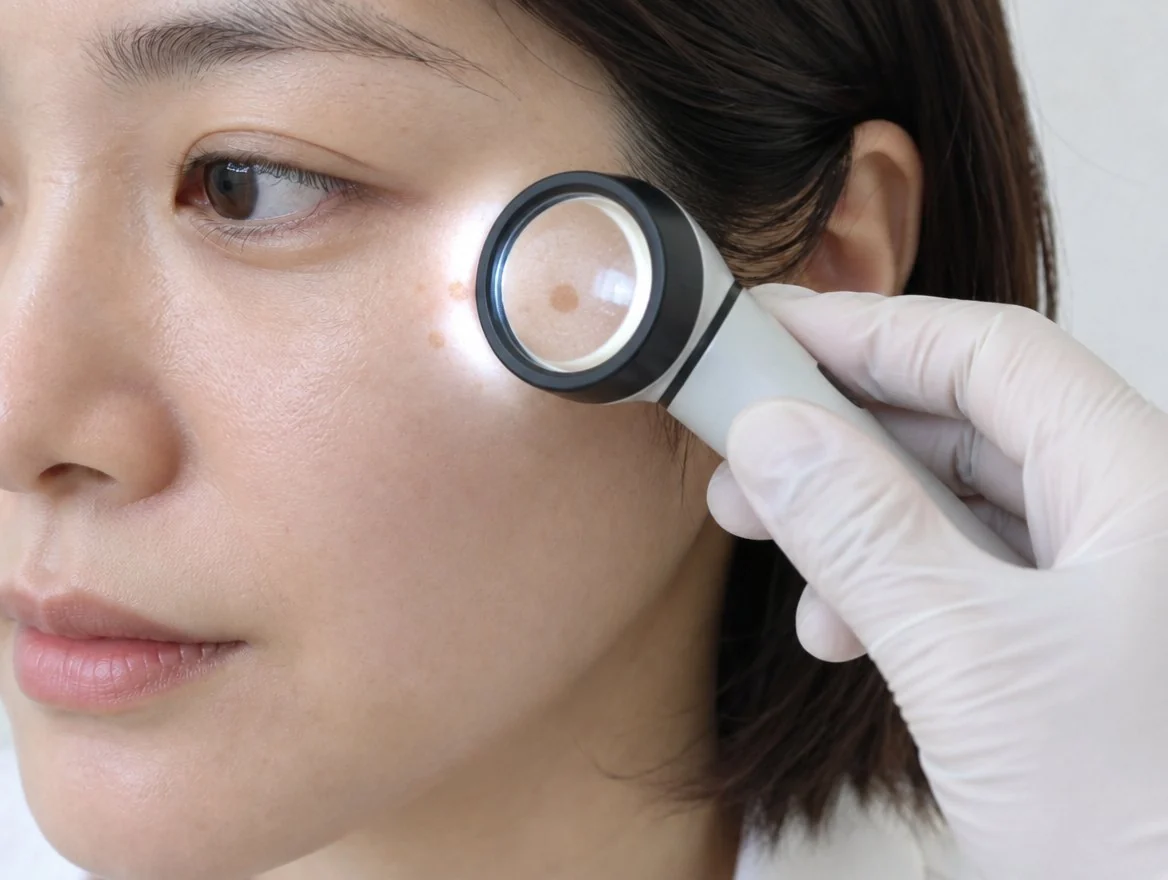 01
Lesion diagnosis
A board-certified dermatologist distinguishes each pigmented lesion by type (blemishes, seborrheic keratoses, freckles, etc.), size, and depth.
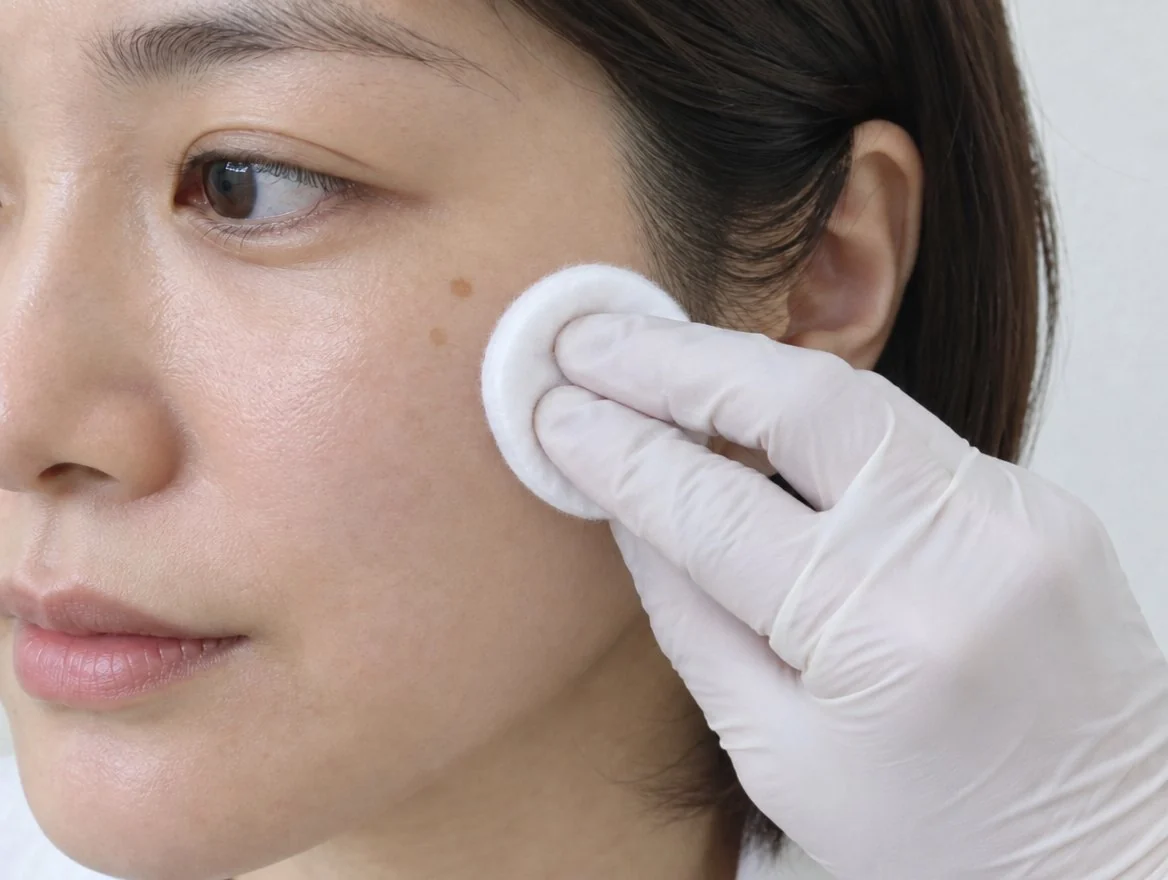 02
Device assignment
The suitable device and settings are chosen for each lesion from PicoWay, StarWalker, GentleMax Pro, RedTouch Pro, and erbium YAG laser.
 03
Treatment
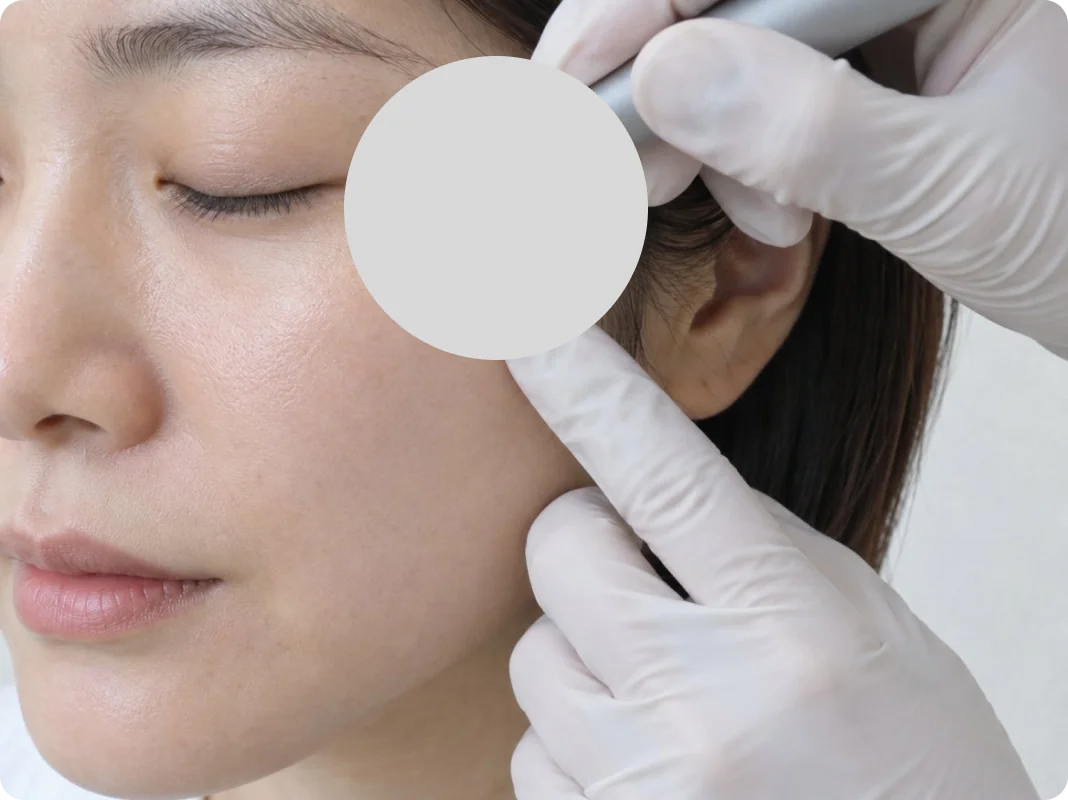
After topical numbing if needed, a board-certified dermatologist treats each lesion.
 04
Aftercare
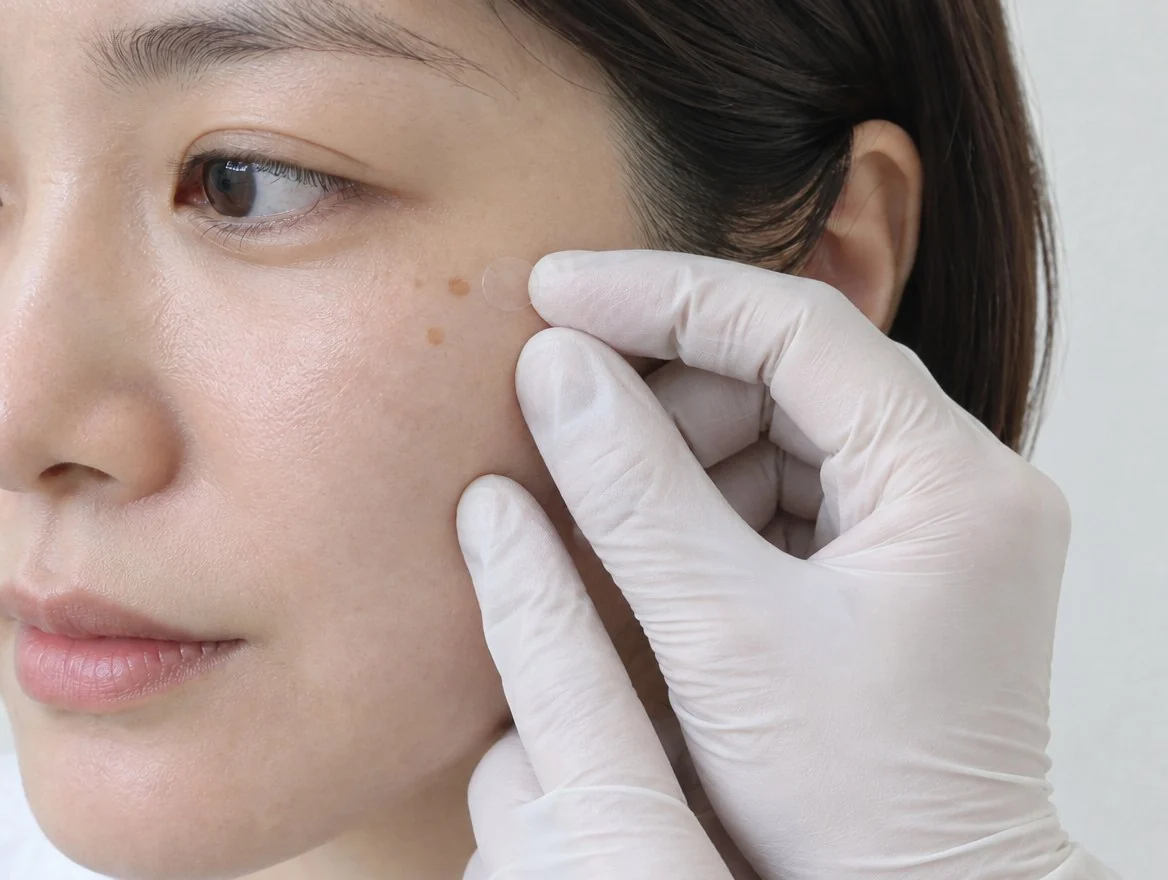
Guidance on scab care, sun protection, and the next appointment for lesions that need further treatment.
Every procedure is performed directly by a board-certified dermatologist.
05Aftercare
Recovery & care
- 01
Same day
Mild erythema or stinging may occur. Do not rub; use gentle cleansing and ample moisturizing.
- 02
Scabs
Do not pick off scabs. Letting them fall off naturally is important for preventing hyperpigmentation.
- 03
Weeks 1-4
Sun protection affects results. Apply SPF30 or higher daily and reapply every 2 hours when outdoors.
- 04
Progress check
Whether to treat remaining lesions further, and the intervals, are decided based on your response.
06FAQ
Frequently asked questions
What is Spot Clear?
Spot Clear is a program that diagnoses facial pigmented lesions one by one, then assigns a suitable laser to each lesion for combination treatment. Rather than treating all pigmentation with one device, devices are used separately according to the type, size, and depth of the pigmentation and your skin's baseline condition. Treatment proceeds after a lesion-by-lesion plan is set at consultation.
Which pigmented lesions are treated?
The main targets are facial pigmented lesions such as blemishes (lentigines), freckles, and seborrheic keratoses. Several types are often mixed on one face, so the type of each lesion is distinguished beforehand. Even brown spots that look alike call for different treatments depending on their type and depth.
Why use several lasers together?
Each pigmented lesion differs in depth, size, and thickness, making it difficult to treat them all with one setting. That is why PicoWay, StarWalker, GentleMax Pro, RedTouch Pro, erbium YAG laser, and others are used separately depending on the lesion. Which device is used for which lesion is decided based on consultation findings.
Will all my blemishes disappear in one treatment?
It depends on the lesion. Shallow, small lesions may lighten after one treatment, but deep or thick lesions may need several. At consultation we explain the expected number of sessions for each lesion, and responses vary by individual.
Is melasma also treated with Spot Clear?
Melasma is approached differently from spot treatment. Melasma is sensitive to irritation and can worsen with strong energy, so it often requires managing tone over sessions at lower intensity. When blemishes and melasma coexist, the lesions are distinguished and a separate plan is set for each.
Can raised lesions such as seborrheic keratoses be treated?
Yes, seborrheic keratoses are also treated. Lesions raised above the skin may need a different approach from methods that target pigment alone, so the device and settings are chosen based on the lesion's thickness and shape. With thick lesions, scabs may last longer or additional treatment may be needed.
Are lesions that look like moles treated as well?
We confirm the type of lesion beforehand and then decide whether to treat it. Lesions that look like moles can be of various types, and those with an irregular shape or recent changes in size or color may need further evaluation (such as a biopsy) before laser. If there is a lesion that concerns you, please show it to us at consultation.
Does it hurt? How long does it take?
Pain is low to moderate depending on the device and area, and topical numbing cream is applied beforehand if needed. Treatment time depends on the number of lesions and coverage. The expected time is advised after consultation.
Will there be scabs? Can I go about daily life?
Scabs or erythema may form at lesion sites and remain for a few days to about 1 week, with the duration varying by device and lesion. You can usually go about daily life, but there is a period when scabs are visible, so let us know in advance if you have an important event. Do not pick off scabs; let them fall off naturally.
How should I care for my skin after treatment?
Until scabs fall off, wash gently without rubbing and moisturize well. Skin where scabs have fallen off is sensitive to UV and can develop hyperpigmentation, so apply sunscreen of SPF30 or higher daily and reapply every 2 hours when outdoors. If we prescribe an ointment, use it as directed.
Are there side effects or a chance of recurrence?
Erythema and scabs form after treatment, and hyperpigmentation may rarely appear. Treated lesions may recur or new lesions may develop, so sun protection and progress checks are needed alongside. If you have recently tanned or had strong UV exposure, take photosensitizing medication, are pregnant, or have a wound or infection in the treatment area, be sure to tell us at your visit.
How much does Spot Clear cost, and how do I book?
The cost depends on the type, number, and coverage of lesions treated and the devices used, and is confirmed after consultation. Non-covered treatment fees can be found on the pricing page of our website. Booking is available via Naver Booking, our KakaoTalk channel, or phone (+82-51-710-1891), and consultations are also available via LINE; Grays Dermatology is located at L Tower 10F, 6 Jwadongsunhwan-ro, Haeundae-gu, Busan.
Fees
Pricing depends on lesion type, number, coverage, and devices used, and is confirmed after consultation.
See the fee schedule →References 3
- Korea MFDS medical device registry
- Korean Dermatological Association
- Reviewed by: Dr. Tae Hoon Kim, Medical Director
⚠ Cautions & contraindications
- Active infection or open wounds in the treatment area
- Recent strong UV exposure or tanning (increased risk of hyperpigmentation)
- Photosensitive conditions or taking photosensitizing medication
- Pregnancy (not recommended due to insufficient safety data)
- Lesions with an irregular shape or recent changes in size or color may need further evaluation before laser
Summary & comparison
| Treatment | Target layer | Main change | Duration | How long it lasts | Downtime |
|---|---|---|---|---|---|
| Spot Clear | L1 Epidermis | Combination treatment that diagnoses pigmented lesions and assigns a laser to each | Advised after consultation, depending on the number of lesions and coverage | Varies by lesion (recurrence or new lesions possible) | Scabs and erythema at lesion sites for a few days to 1 week (varies by device and lesion) |
| PicoWay / PicoWay Resolve | L1 Epidermis | A picosecond laser that shatters pigment into fine particles | 10-30 minutes | Builds over a course of sessions (maintenance needed) | Toning: immediate return; spot and tattoo removal: small scabs for a few days |
| StarWalker MaQX · QX MAX | L1 Epidermis | A high-power laser platform for hard-to-treat pigment | 10-30 minutes | Builds over sessions (varies by lesion) | Scabbing and redness for a few days when treating lesions |
| GentleMax Pro | L1 Epidermis | Dual wavelengths, wide range: hair removal, toning, and redness | 10-40 minutes depending on the number of shots | Hair removal: long-lasting after completing the course (individual results vary) | Immediate return to daily life |
| RedTouch Pro | L2 Dermis | A 675nm laser that addresses firmness and pigmentation together | Advised after consultation, depending on coverage | Builds over sessions (maintaining firmness requires repeat care / individual results vary) | Usually able to return to daily life (temporary erythema possible) |
Treatments used for the same concern, placed side by side. Which one fits is decided in consultation after the layer is identified.
Aftercare
Mole · wart · spot removal
This is a healing wound, so care until the crust falls off decides whether a scar is left.
Recovery course
- Day of treatment to day 3Keep the ointment and dressing as instructed. Limit how long the area is wet.
- Days 5–10The crust falls off on its own. Do not pick it.
- 1–3 months after the crust fallsThe pink mark fades gradually. Keep protecting it from the sun.
Precautions
- Picking the crust
- Sun exposure: until the mark has faded
- Makeup on the area: until the crust has fallen off
When to contact the clinic
- Weeping continues or redness spreads around the area
- A lesion reappears in the same spot
Next session · next visitDeep lesions are better removed in stages rather than all at once, to leave less scarring.
Full aftercare guide →
Next step
Wondering if this treatment fits you?
Tell us what concerns you, and after your consultation we will explain the suitable treatment, schedule and fees in detail.