- Duration
- Depends on the extent of scarring; explained after consultation
- Recommended sessions
- Usually at intervals of 4–6 weeks or more, repeated if needed
(explained after consultation) - Downtime
- Bruising and swelling possible for 1–2 weeks
(varies by individual)
Subcision is a treatment that releases tethering beneath scars, and bruising and swelling may last 1–2 weeks. Released areas can re-adhere, so several sessions may be needed, and the realistic goal is to make scars less noticeable rather than to remove them.
01Overview
Subcision
Releasing the tethering that holds scars down from below
Subcision is a scar treatment in which a fine needle or blunt-tipped cannula is inserted beneath the skin to cut the fibrous bands that pull depressed scars downward.
- Duration
- Depends on the extent of scarring; explained after consultation
- Recommended sessions
- Usually at intervals of 4–6 weeks or more, repeated if needed
(explained after consultation) - Downtime
- Bruising and swelling possible for 1–2 weeks
(varies by individual) - How long it lasts
- Released areas tend to hold
(they can re-adhere, so progress is monitored)
How we approach it
The same device can be run very differently.
Depressed scars cannot be resolved with a single method. We first distinguish the scar types, then combine the methods needed, from Subcision to lasers.
Scar treatment does not repeat the same treatment every time. At each session, we look again at the shape of the remaining scars and decide on the next combination.
Dr. Tae Hoon Kim, Medical Director
02What to expect
Changes over time
Once the tethering is released, the pressed-down base of the scar rises, and as the small space created beneath it heals, new connective tissue fills it in.
 01
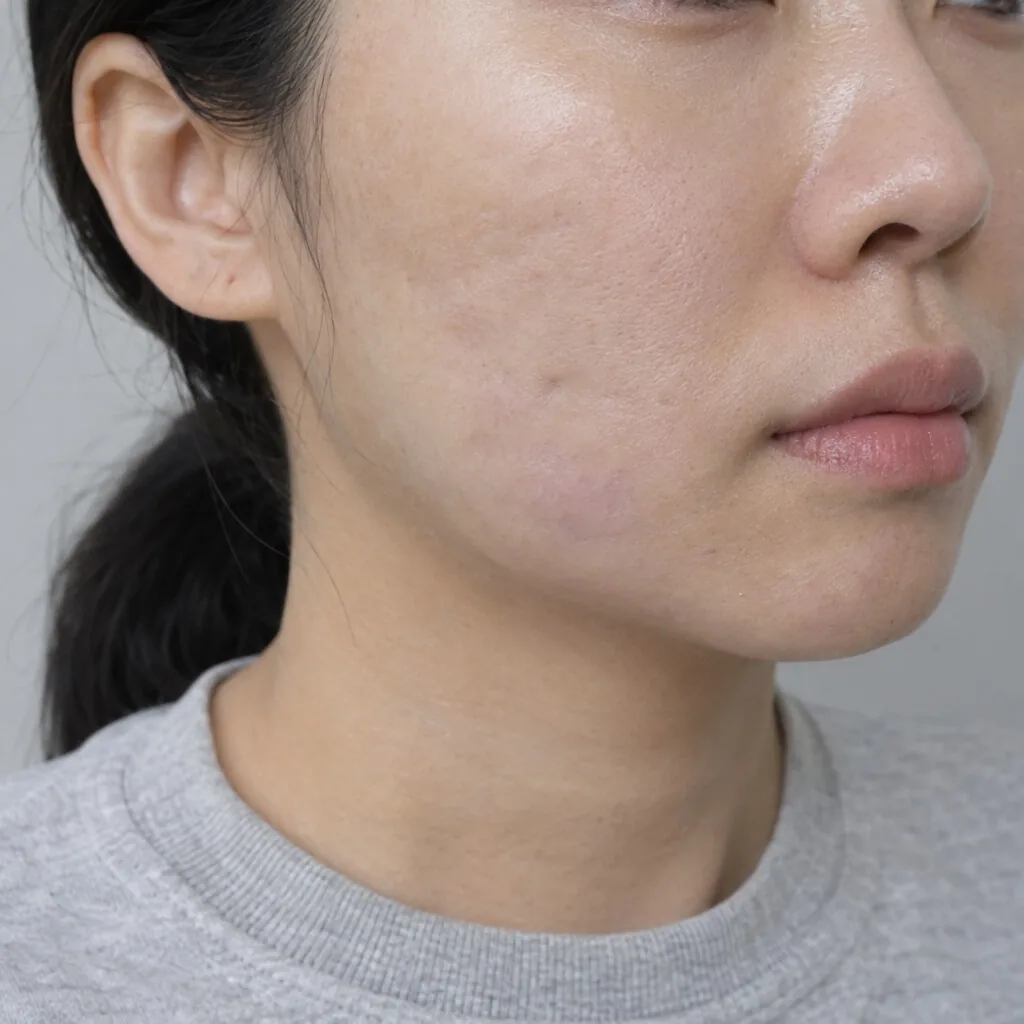
Right after treatment
The treated area begins to swell and bruise. Compression reduces bleeding and bruising.
 02
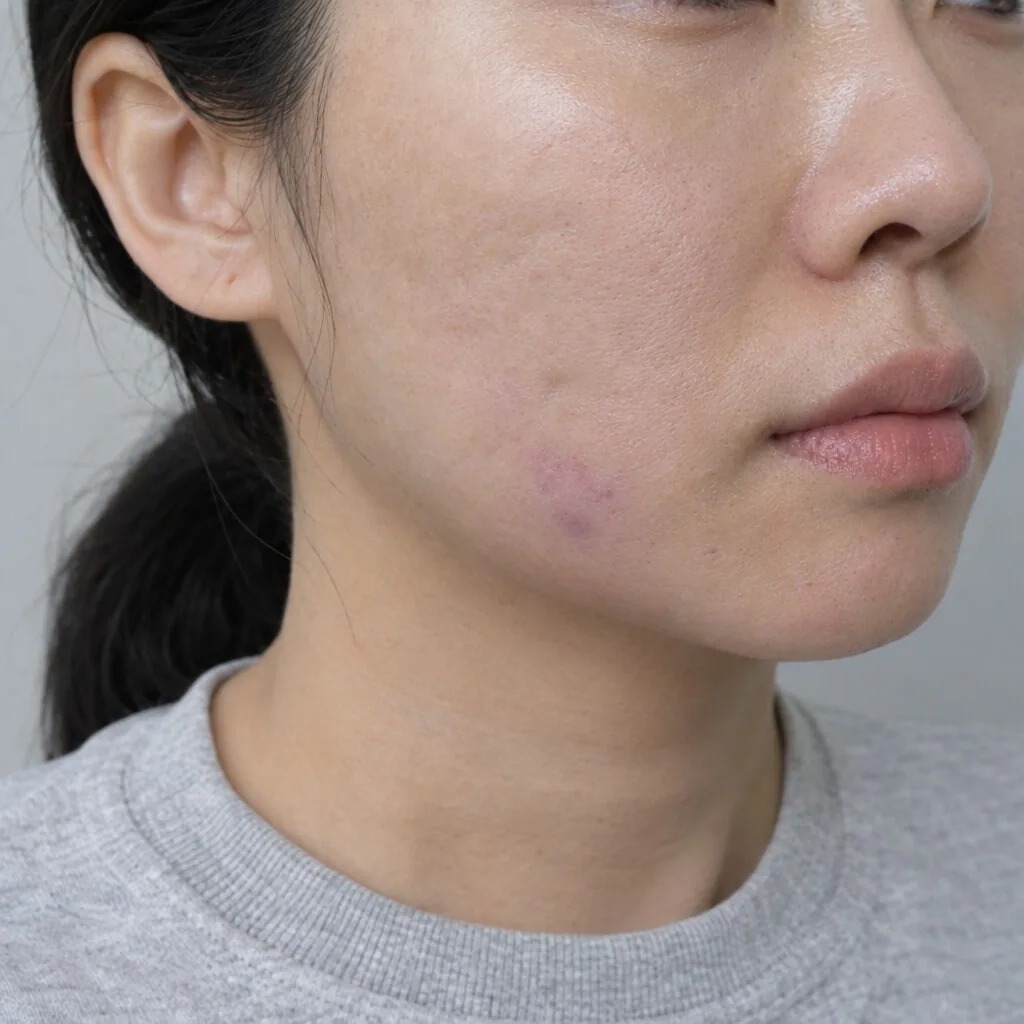
A few days
Bruising, swelling and tenderness to the touch may continue.
 03
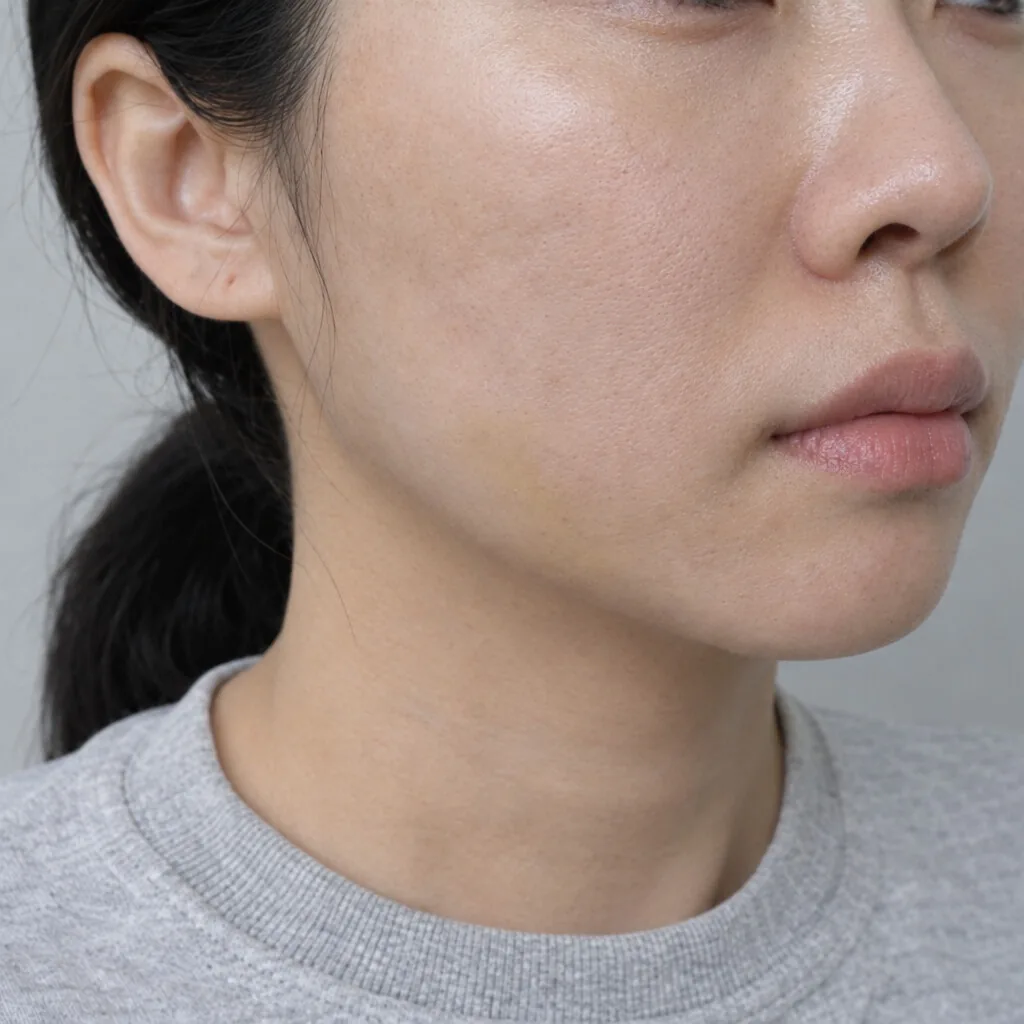
1–2 weeks
Bruising and swelling mostly subside. The pace differs from person to person.
 04
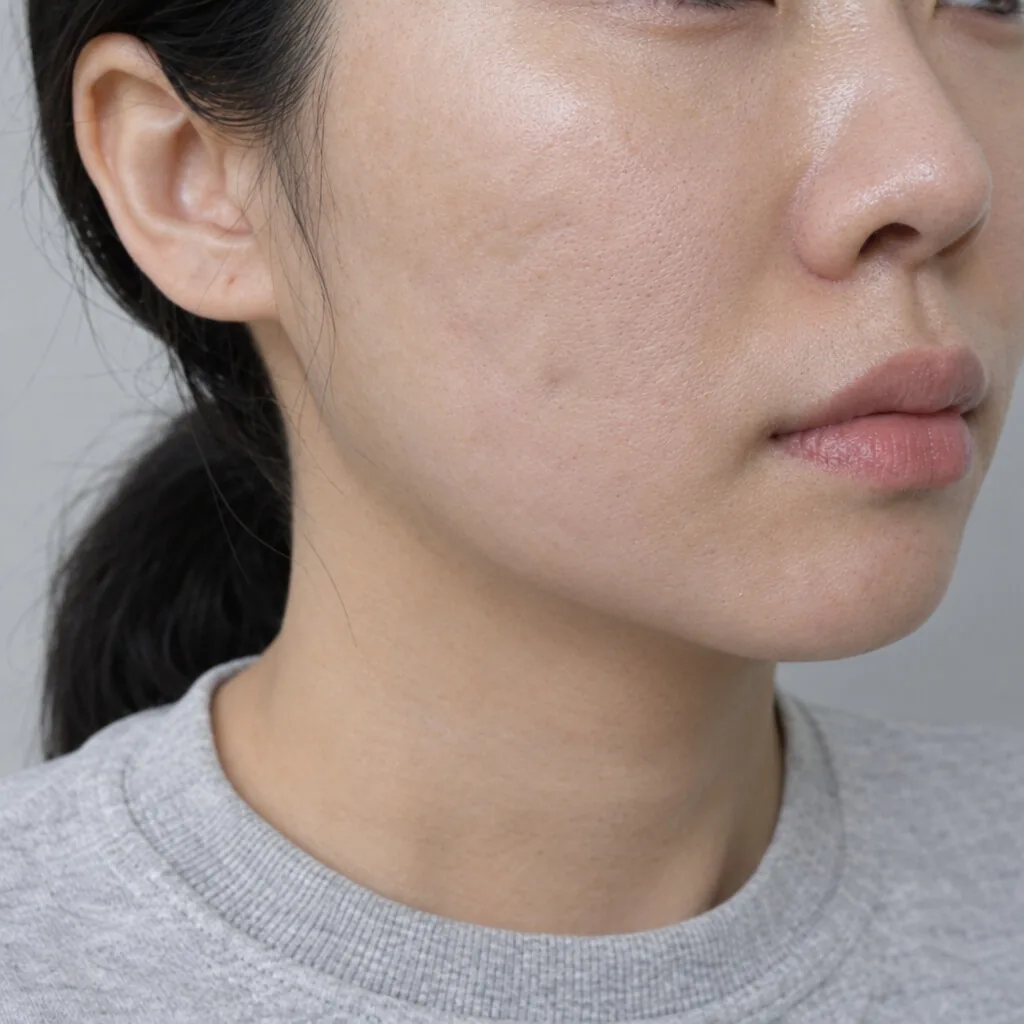
4–6 weeks
We check how the released areas have healed and decide on the next treatment.
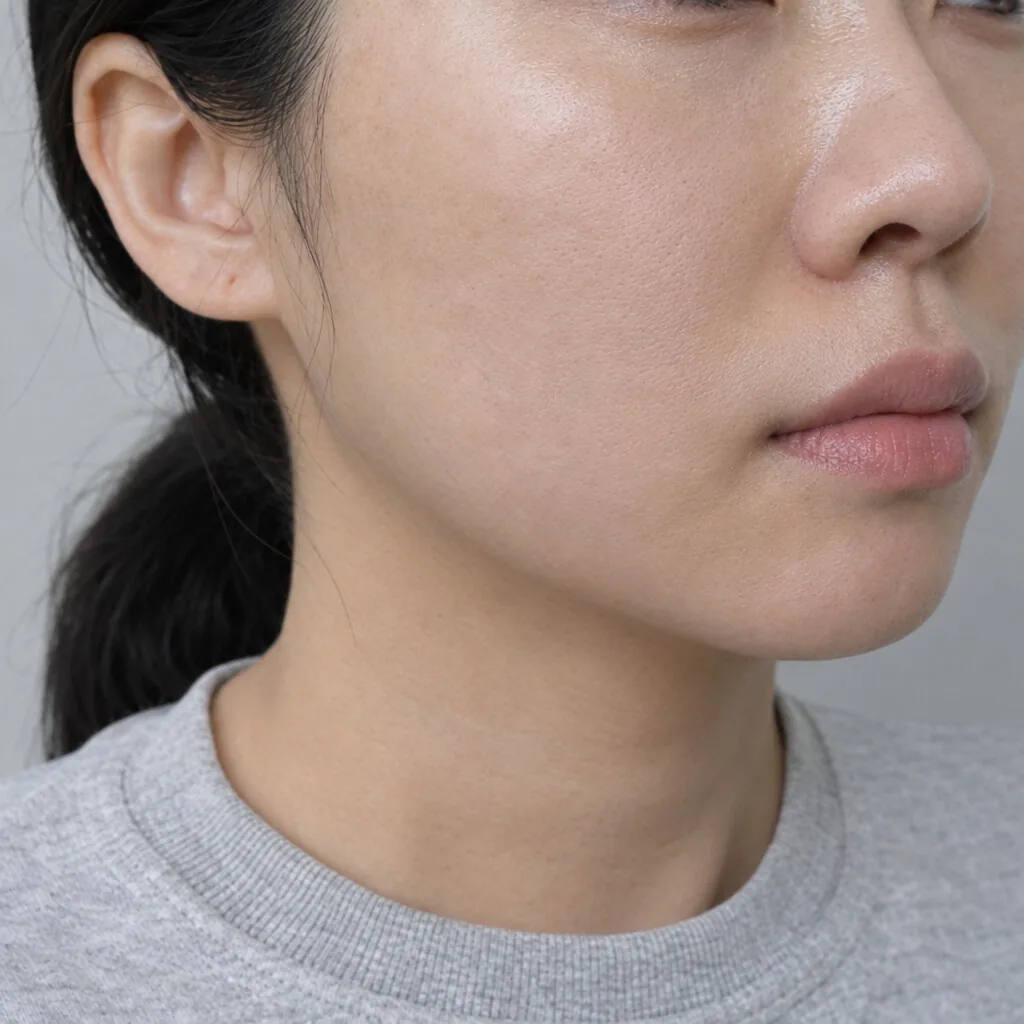 05
Over the sessions
Repeated if needed, and carried out in a set order alongside surface treatments such as lasers.
03Device & Technology
Subcision Device
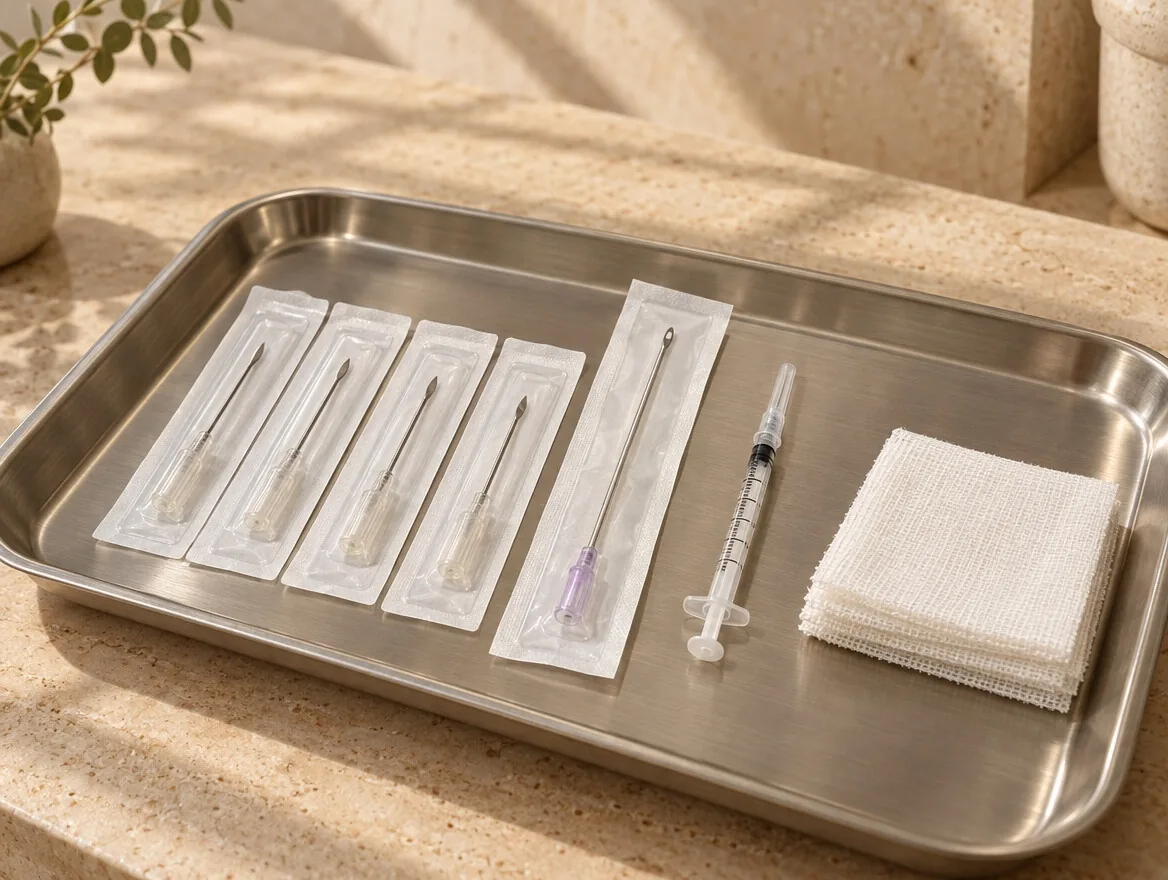
Needle · cannula
A fine needle or blunt-tipped cannula is used, matched to the depth and extent of the scar.
Releasing tethering
The fibrous bands pulling the scar downward are released beneath the skin.
Combined scar treatment
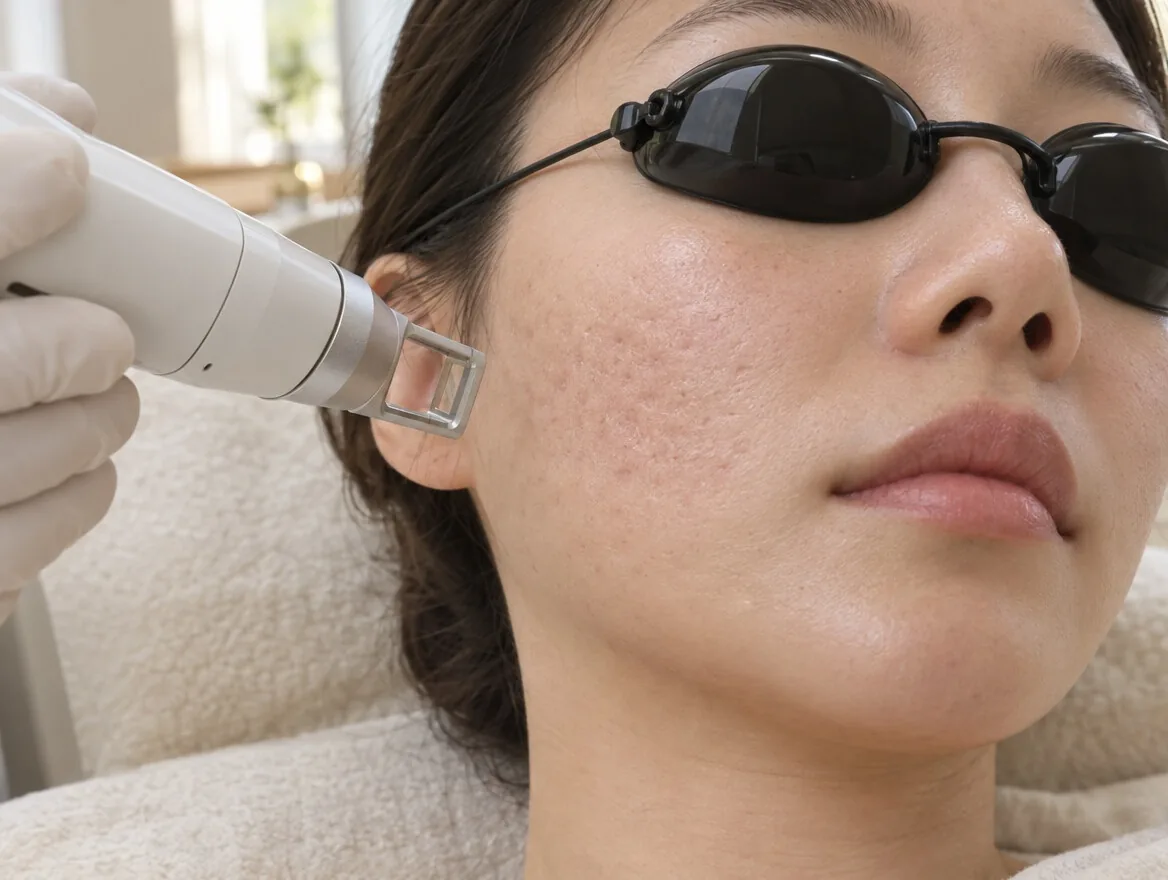
Surface irregularities are addressed with lasers and narrow, deep scars with TCA CROSS, working together.
04Procedure
How your visit goes
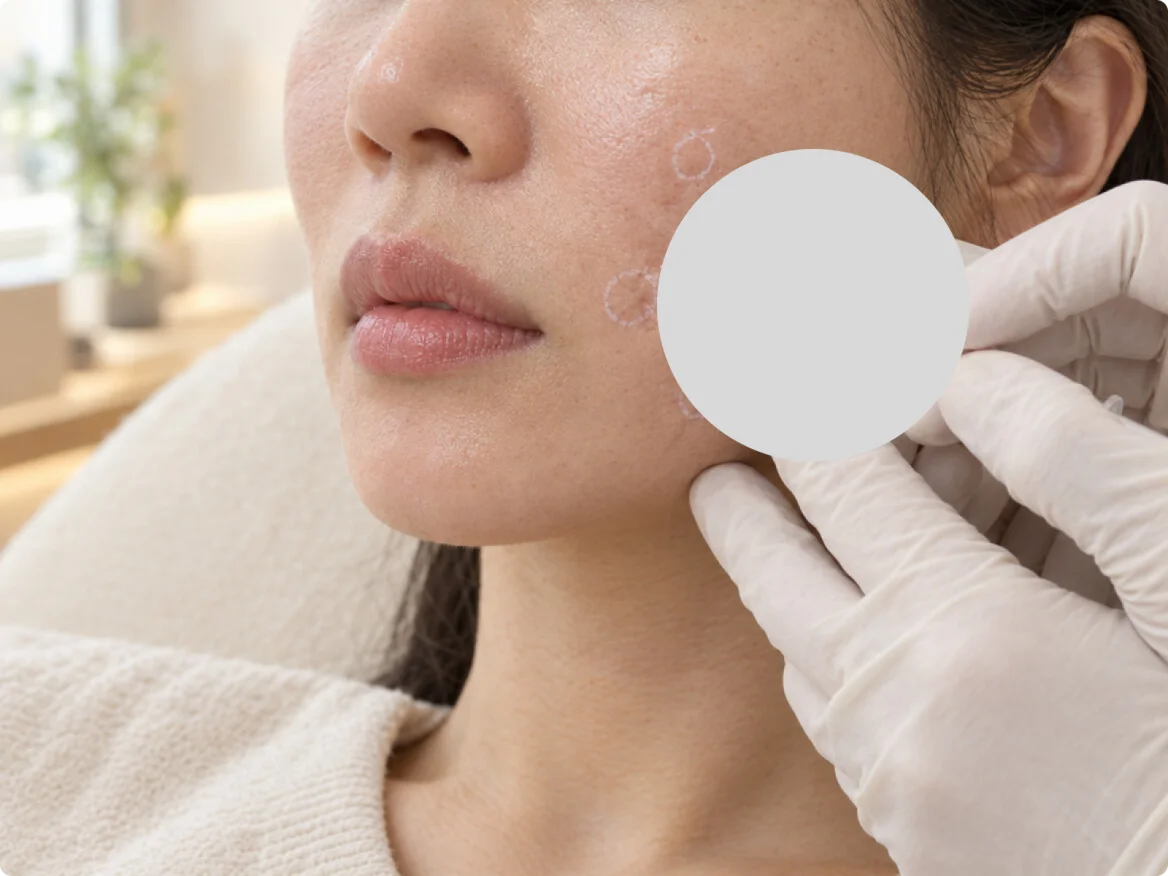
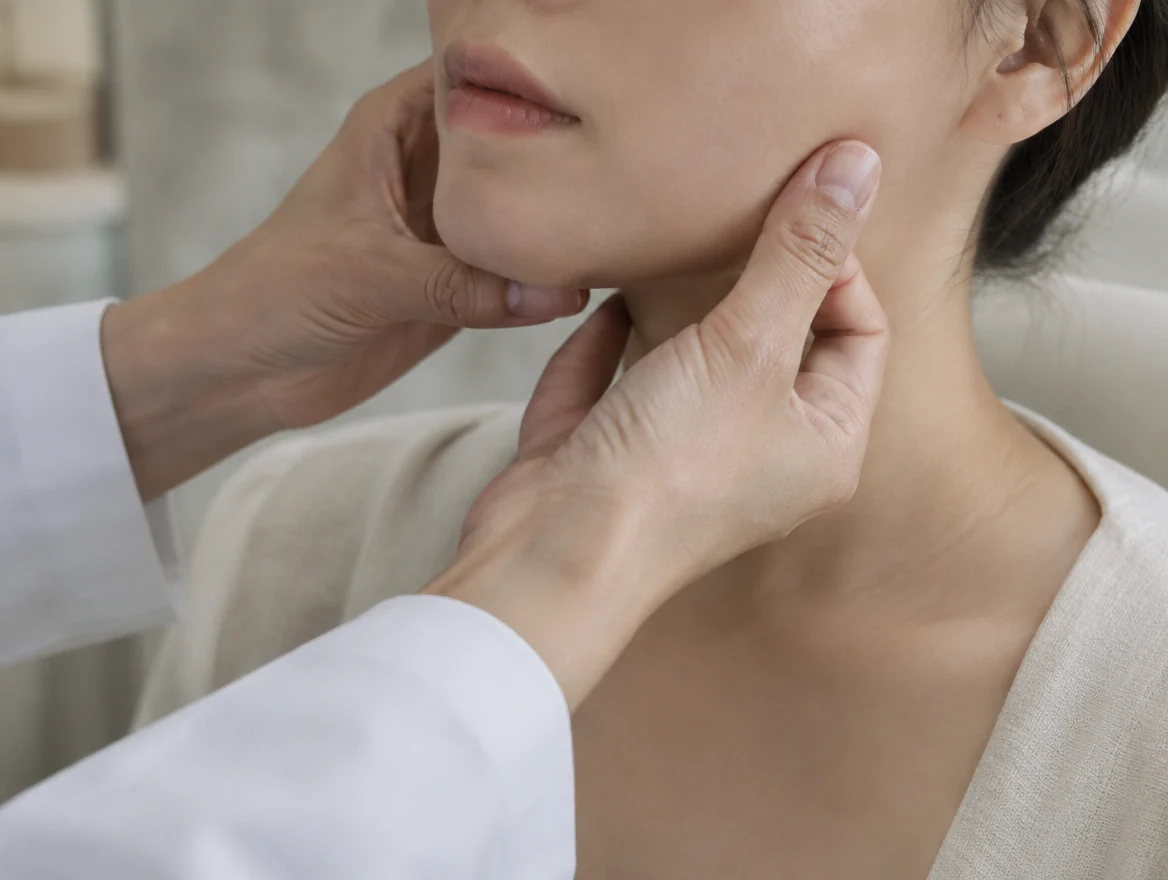 01
Specialist diagnosis
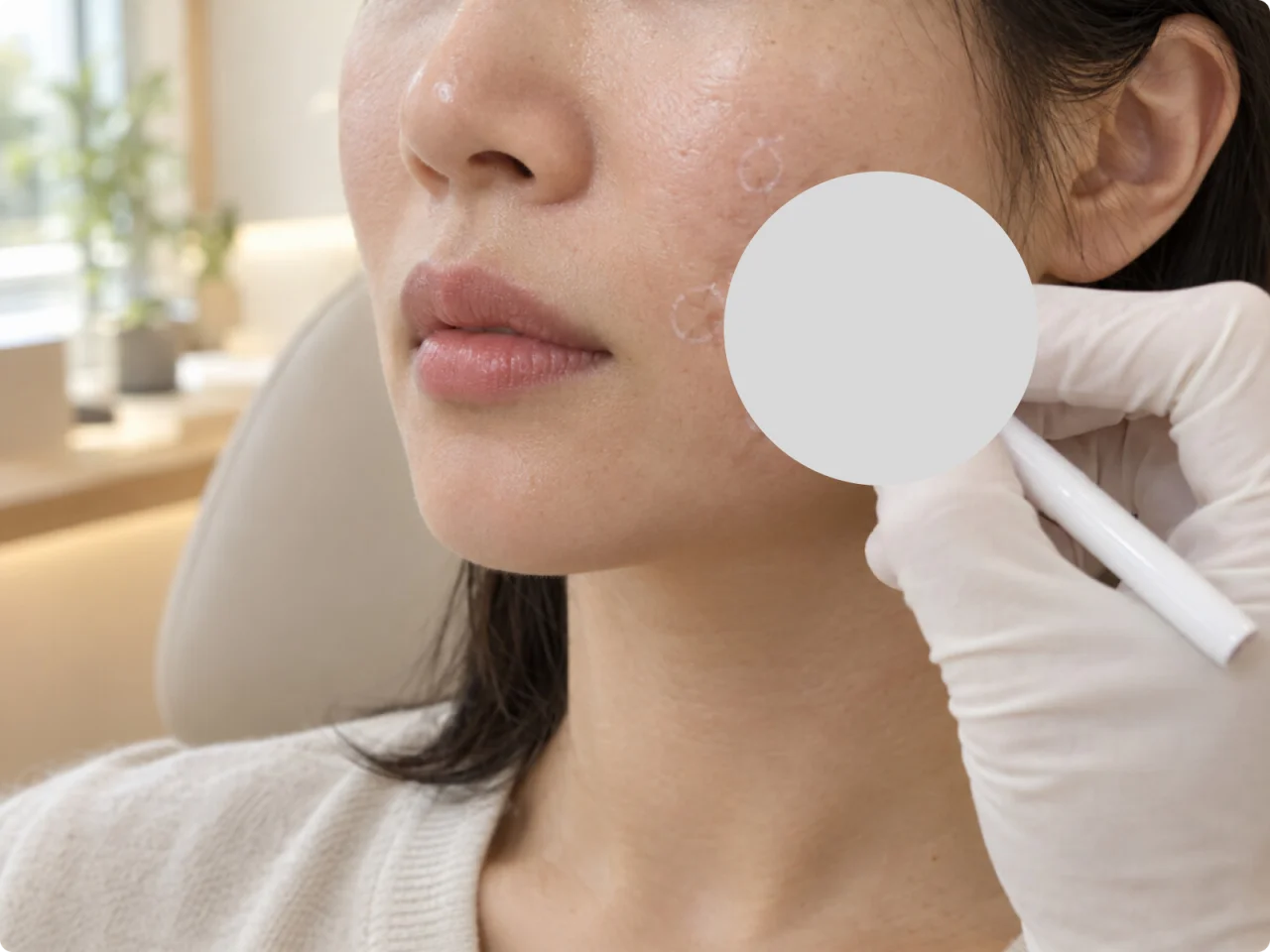
We stretch the skin to check whether the scar is due to tethering, and mark the scars to be treated.
 02
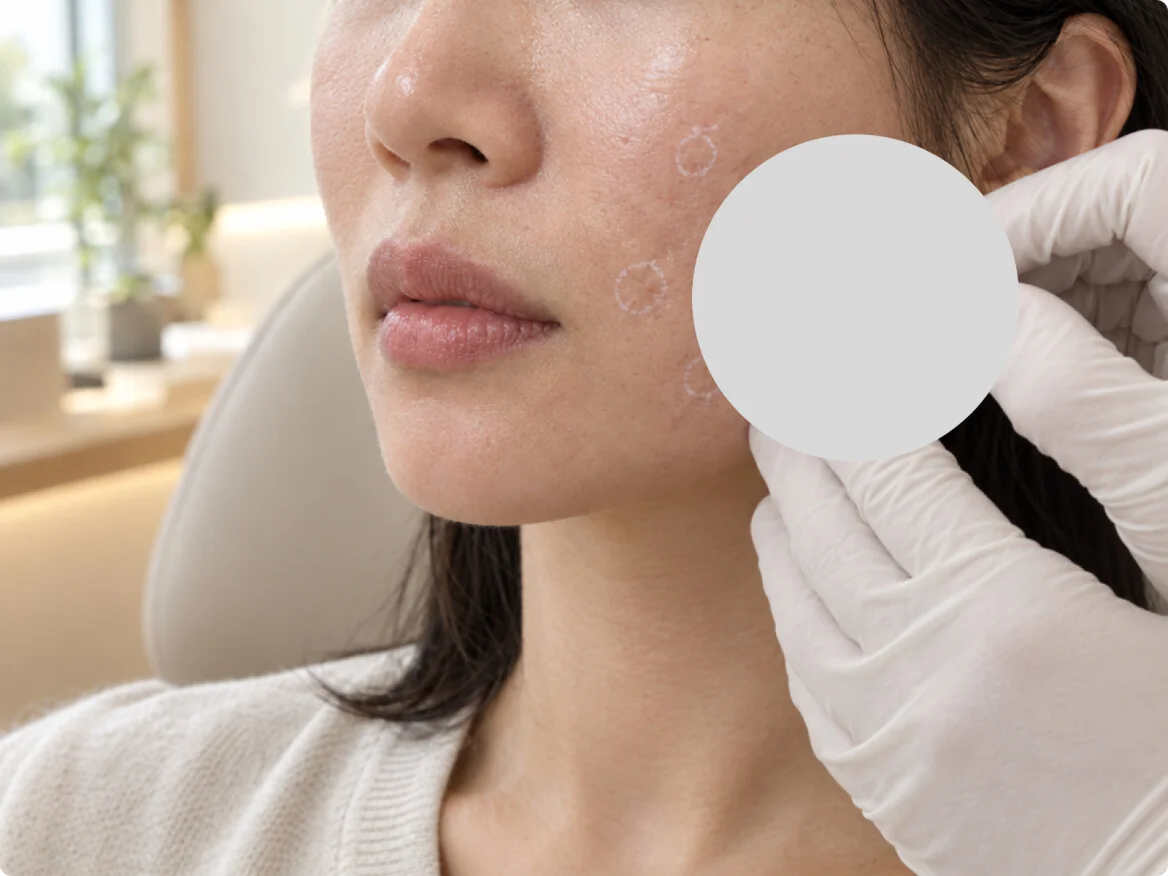
Anaesthesia
Local anaesthesia is given at the marked areas.
 03
Treatment
The specialist inserts a needle or cannula beneath the skin to release the fibrous bands holding the scar down.
 04
Aftercare
Pressure is applied to reduce bleeding and bruising, and we explain how to care for the area during recovery.
Every procedure is performed directly by a board-certified dermatologist.
05Aftercare
Recovery & care
- 01
Day of treatment
Apply pressure as instructed and do not rub the treated area. Avoid alcohol, saunas and strenuous exercise.
- 02
First week
Bruising and swelling may continue. If swelling is significant, use a cold compress.
- 03
1–4 weeks
If you feel a lump, or the area becomes red and increasingly painful, please contact us right away.
- 04
Follow-up
Based on how you have healed, we decide on the next session and the order of other scar treatments.

06FAQ
Frequently asked questions
What kind of treatment is Subcision?
It is a treatment in which a fine needle or cannula is inserted beneath the skin to release the fibrous tethering that pulls the scar downward. Once the tethering is released, the base of the scar rises, and as the area heals, connective tissue fills it in, bringing about change.
How can I tell if Subcision is right for my scars?
If a scar fades when you gently stretch the surrounding skin apart, it is likely a rolling scar with tethering beneath the skin. However, one face often has a mix of types, so we examine each scar individually to decide.
Does it hurt a lot?
It is performed after local anaesthesia, which reduces pain during treatment. Because it works beneath the skin, you may feel a pulling or dull, achy sensation, and after the anaesthesia wears off, the area may be tender to the touch for a few days.
Will there be a lot of bruising?
Because it works beneath the skin, bruising and swelling are common and may last around 1–2 weeks. If you have important plans, please let us know in advance during your consultation, and we will adjust the treatment timing together.
Is it combined with lasers?
Subcision releases the pulling force from below, while lasers refine surface irregularities and scar edges. That is why we often plan lasers such as Pico Fractional or CO2 Fractional, and TCA CROSS for narrow, deep scars, alongside it in a set order.
Can treated scars sink back down?
Released areas can re-adhere during healing, so treatment is sometimes repeated based on progress. At each session, we recheck the scar condition and decide on the next treatment.
Are there side effects, or cases where it is not suitable?
Bruising, swelling and tenderness are common, and lumps (nodules), infection or pigmentation may rarely occur. If you are taking anticoagulants or antiplatelet medication, are prone to keloids, are pregnant, or have an infection in the treatment area, please be sure to tell us during your consultation.
How much does Subcision cost, and how do I book?
The cost varies with the extent of scarring, the number of sessions and any treatments combined with it, so it is confirmed after examination. Non-covered treatment fees can be found on the pricing page of our website. Booking and consultations are available via Naver Booking, our KakaoTalk channel, or phone (+82-51-710-1891), and you can also consult with us via LINE.
Fees
Pricing depends on the extent of scarring, number of sessions and any combined treatments, and is confirmed after consultation.
See the fee schedule →References 3
- Korea MFDS medical device registry
- Korean Dermatological Association
- Reviewed by: Dr. Tae Hoon Kim, Medical Director
⚠ Cautions & contraindications
- Active infection or inflammation at the treatment site
- Pregnancy or breastfeeding
- If you take anticoagulants or antiplatelet medication, be sure to tell us during consultation (increased risk of bruising and bleeding)
- Please tell us during consultation if you are prone to keloids
- History of hypersensitivity to local anaesthetics
Summary & comparison
| Treatment | Target layer | Main change | Duration | How long it lasts | Downtime |
|---|---|---|---|---|---|
| Subcision | — | Releasing the tethering that holds scars down from below | Depends on the extent of scarring; explained after consultation | Released areas tend to hold (they can re-adhere, so progress is monitored) | Bruising and swelling possible for 1–2 weeks (varies by individual) |
| Ultherapy PRIME | L4 SMAS & Muscle | Ultrasound lifting that reaches the SMAS layer | 40-60 minutes depending on the number of shots | Typically 6 months to 1 year (individual results vary) | Immediate return to daily life; temporary swelling or tingling possible |
| Accent Prime Tune Face | L3 Fat layer | RF lifting that tunes texture, firmness, and contour together | 30-50 minutes | Maintained over several months (individual results vary) | Immediate return to daily life |
| Oligio | L2 Dermis | Monopolar RF tightening with a lighter footprint | 30-50 minutes | Several months to 1 year (individual results vary) | Immediate return to daily life |
| PicoWay / PicoWay Resolve | L1 Epidermis | A picosecond laser that shatters pigment into fine particles | 10-30 minutes | Builds over a course of sessions (maintenance needed) | Toning: immediate return; spot and tattoo removal: small scabs for a few days |
Treatments used for the same concern, placed side by side. Which one fits is decided in consultation after the layer is identified.
Aftercare
Pore · scar lasers
These treatments create micro-injuries to trigger regeneration, so care over the following days is directly linked to the result.
Recovery course
- Day of treatmentRedness, warmth and swelling are clearly visible. Focus on soothing and moisturising.
- Days 2–4Fine crusts and flaking appear. Do not peel them off.
- Days 5–7Flaking settles and makeup can be worn comfortably.
- Months 1–3Changes in scars and pores appear over this period. If sessions are split, keep to the interval.
Precautions
- Sun exposure: for at least 2 weeks; apply sunscreen daily
- Sauna, hot baths, strenuous exercise and alcohol: for 3–5 days
- Exfoliating products: for 2 weeks
When to contact the clinic
- Weeping, pus or fever
- Redness getting worse beyond 2 weeks
- Blisters similar to cold sores if you have a history of herpes
Next session · next visitSessions are usually 3–4 weeks apart. Scars often need several methods combined.
Full aftercare guide →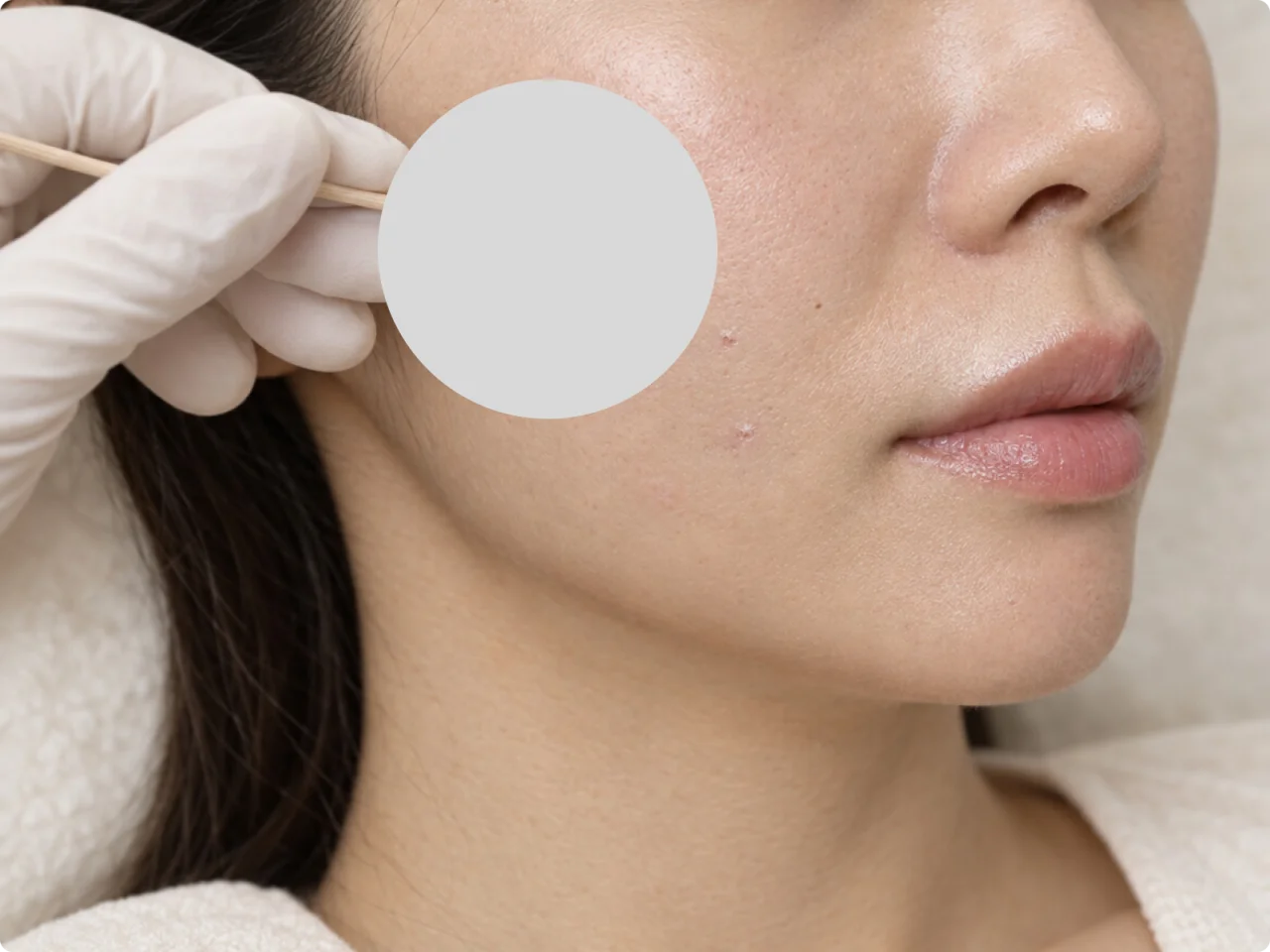
Next step
Wondering if this treatment fits you?
Tell us what concerns you, and after your consultation we will explain the suitable treatment, schedule and fees in detail.