Target layerL4 · SMASSMAS & Muscle
- Duration
- Advised after consultation, depending on the number of shots
- Recommended sessions
- Planned after consultation, allowing recovery time between sessions
- Downtime
- Immediate return to daily life; temporary swelling, tingling, or redness possible
V-RO Advance is a combination lifting treatment that delivers focused ultrasound (HIFU) and radiofrequency (RF) separately from a single device. Results and how soon they appear vary from person to person, and it is not a substitute for surgery or volume-restoring treatments. The number of shots and the cost are planned for each person after consultation.
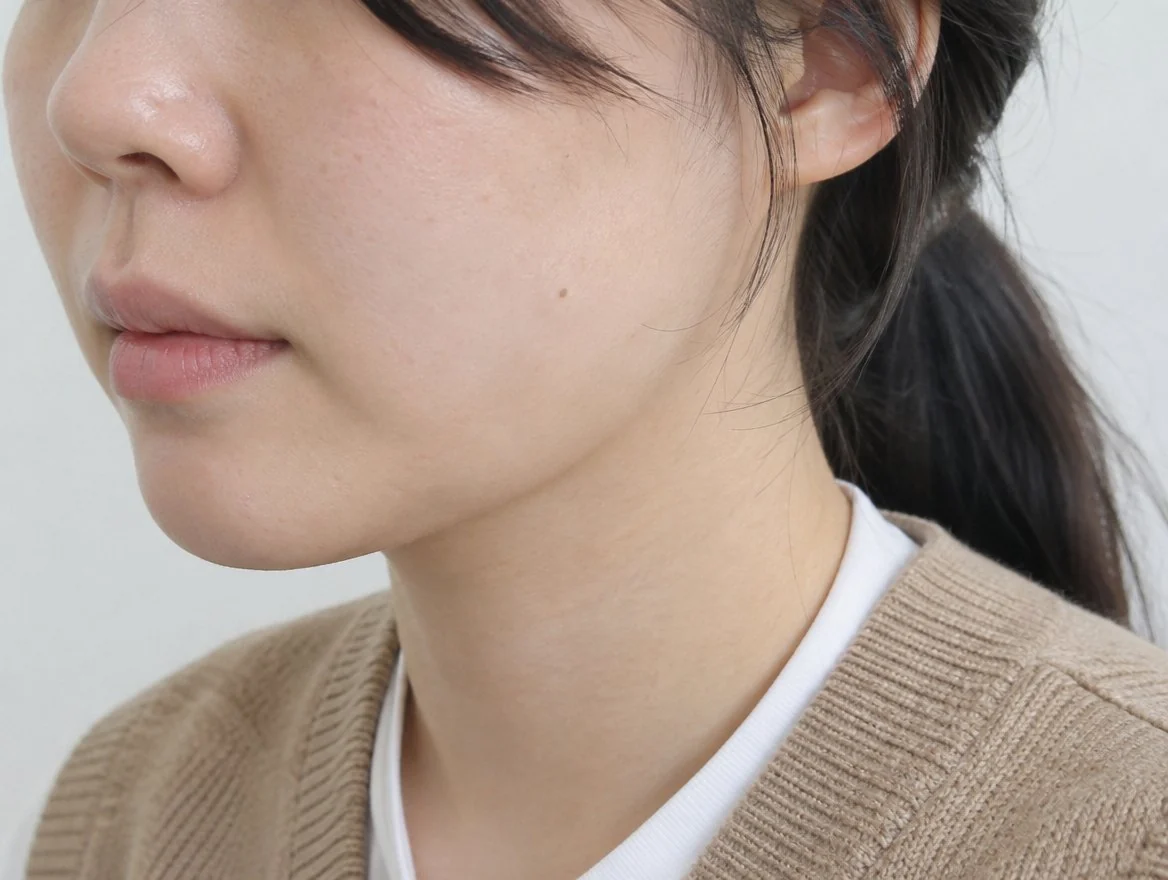
01Overview
V-RO Advance
Combination lifting that plans ultrasound and RF in one device
V-RO Advance is a combination lifting treatment that can use high-intensity focused ultrasound (HIFU) and radiofrequency (RF) in a single device.
- Duration
- Advised after consultation, depending on the number of shots
- Recommended sessions
- Planned after consultation, allowing recovery time between sessions
- Downtime
- Immediate return to daily life; temporary swelling, tingling, or redness possible
- How long it lasts
- Varies by individual; advised after consultation
How we approach it
The same device can be run very differently.
What matters in a medical device is how stably it delivers energy to the skin. With V-RO Advance, alongside the ability to use ultrasound and RF together, we pay close attention to the sensor that checks the state of energy delivery.
Choosing the energy that suits the skin comes before the name of the device. If your skin does not readily allow RF to reach deeper layers, we recommend a different approach, and we plan sessions so the skin has time to recover between them.
Dr. Tae Hoon Kim, Medical Director
02What to expect
Changes over time
HIFU targets a deep layer beneath the skin (the SMAS — the fascial layer that supports the face) to create thermal coagulation points, while RF delivers heat to the dermis to induce collagen contraction and regeneration.
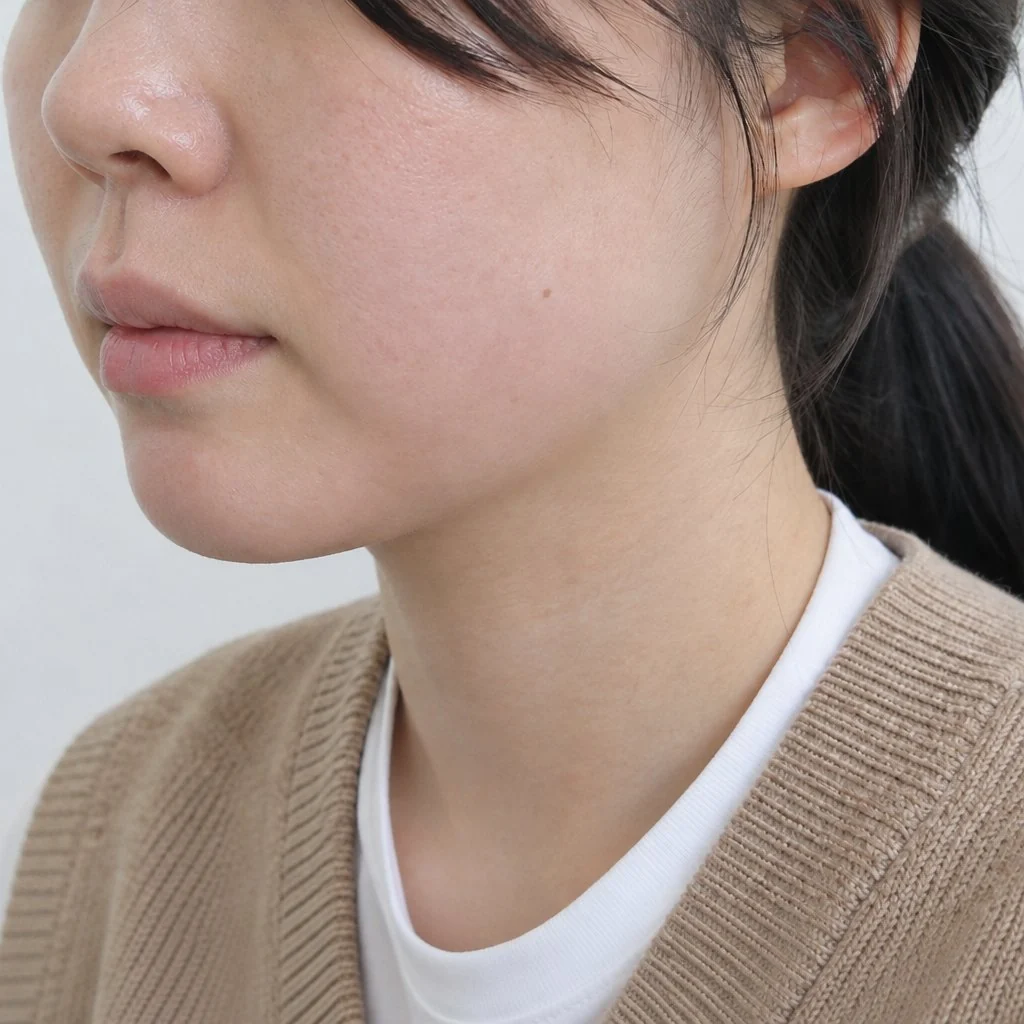 01
Right after treatment
Mild redness, swelling, or tingling may occur, but you can usually return to daily life the same day.
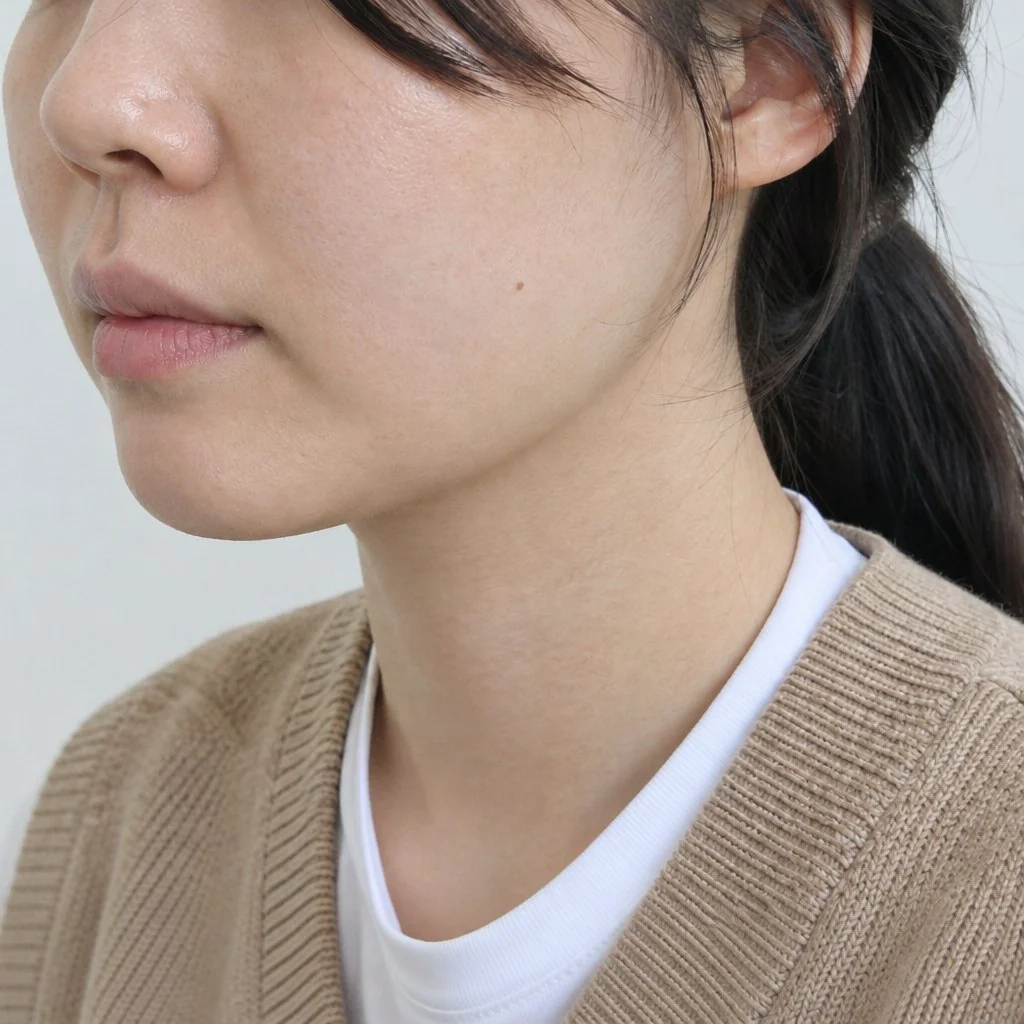 02
1 month
The early phase of collagen remodeling, when subtle changes in firmness tend to appear.
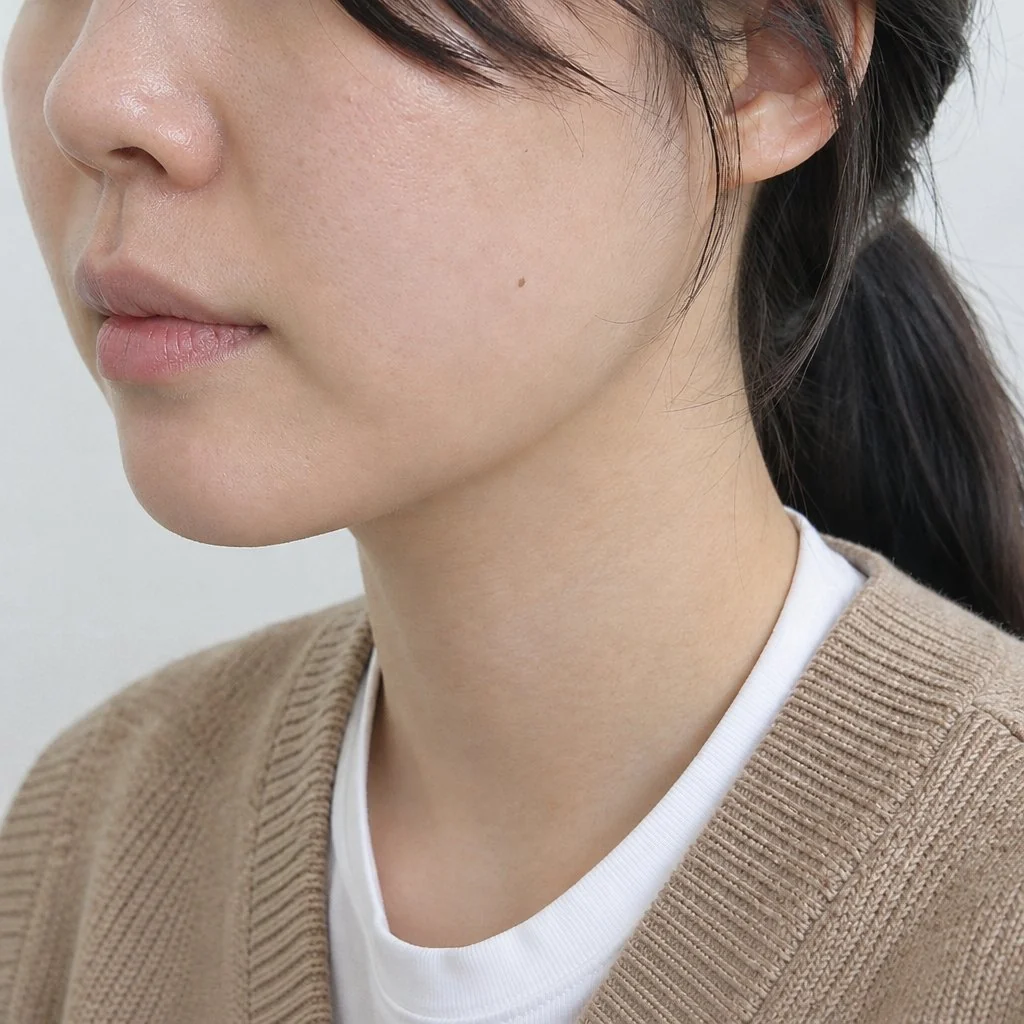 03
2-3 months
As new collagen forms, changes in firmness and contour become gradually clearer.
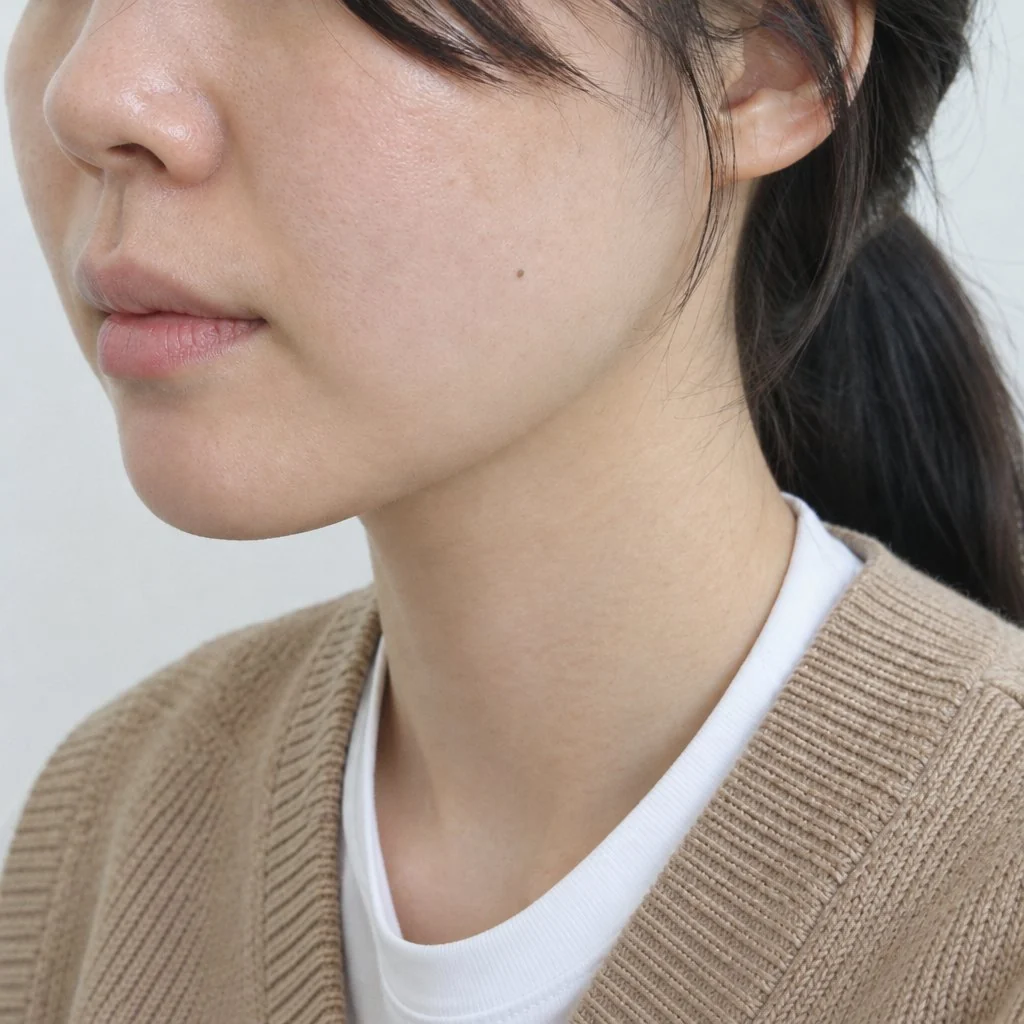 04
Progress check
How long results last varies by individual, and whether and when to retreat is decided after evaluating how your skin has recovered.
03Device & Technology
V-RO Advance Device
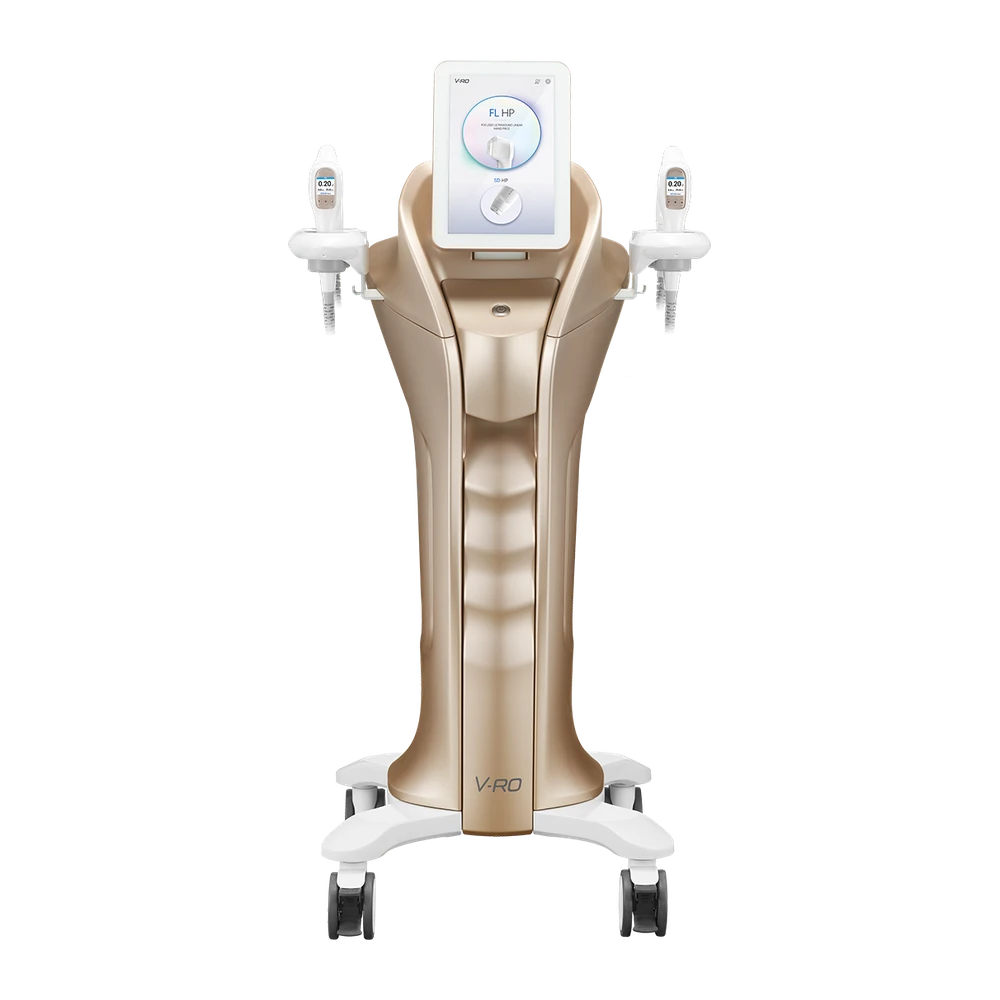
HIFU + RF handpieces
Focused ultrasound and RF are delivered through separate handpieces, allocating the two energies to the depth each area needs.
Dot · Line modes
Two delivery modes distribute shots, handling areas where energy should be concentrated separately from narrow, curved areas.
Sensor-based delivery
Energy is delivered while a sensor checks how it is reaching the skin.
04Procedure
How your visit goes
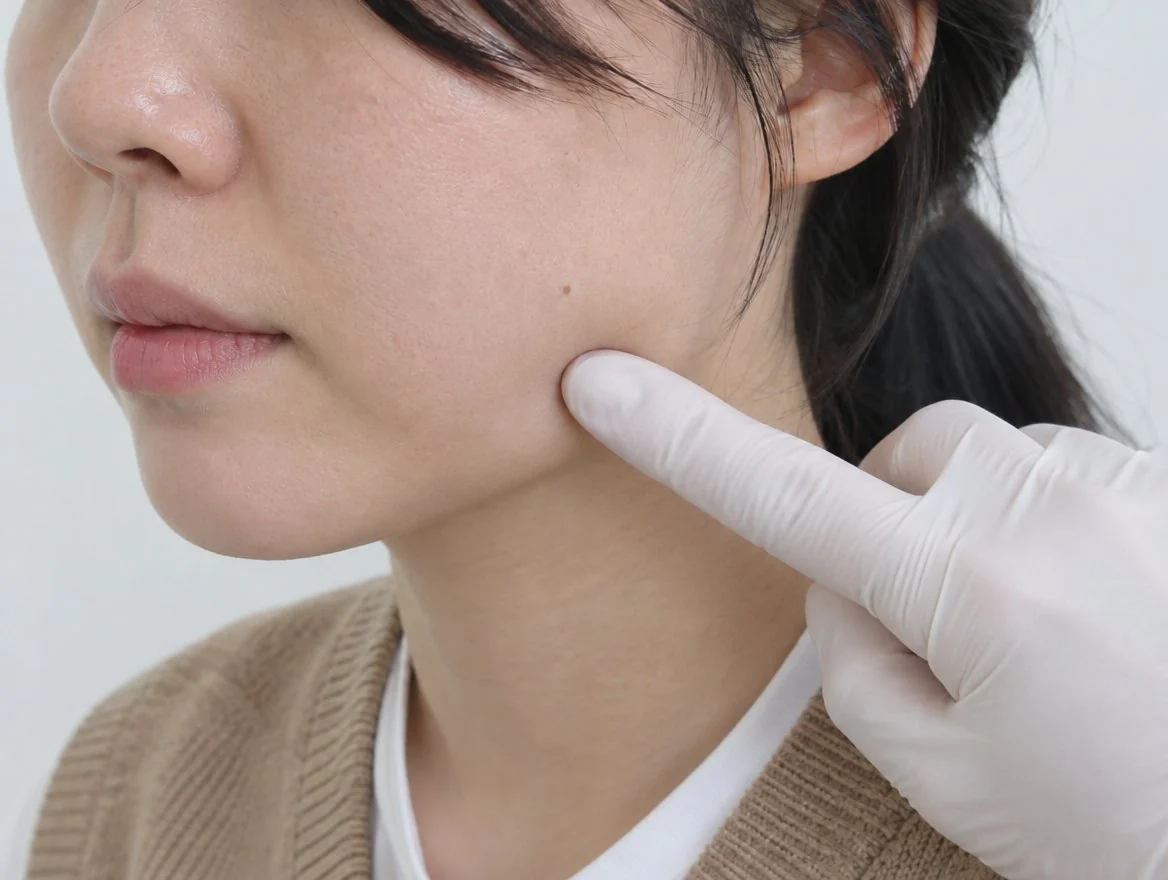 01
Specialist diagnosis
We check which layer the sagging comes from, your skin thickness, and whether your skin is suited to deep RF delivery.
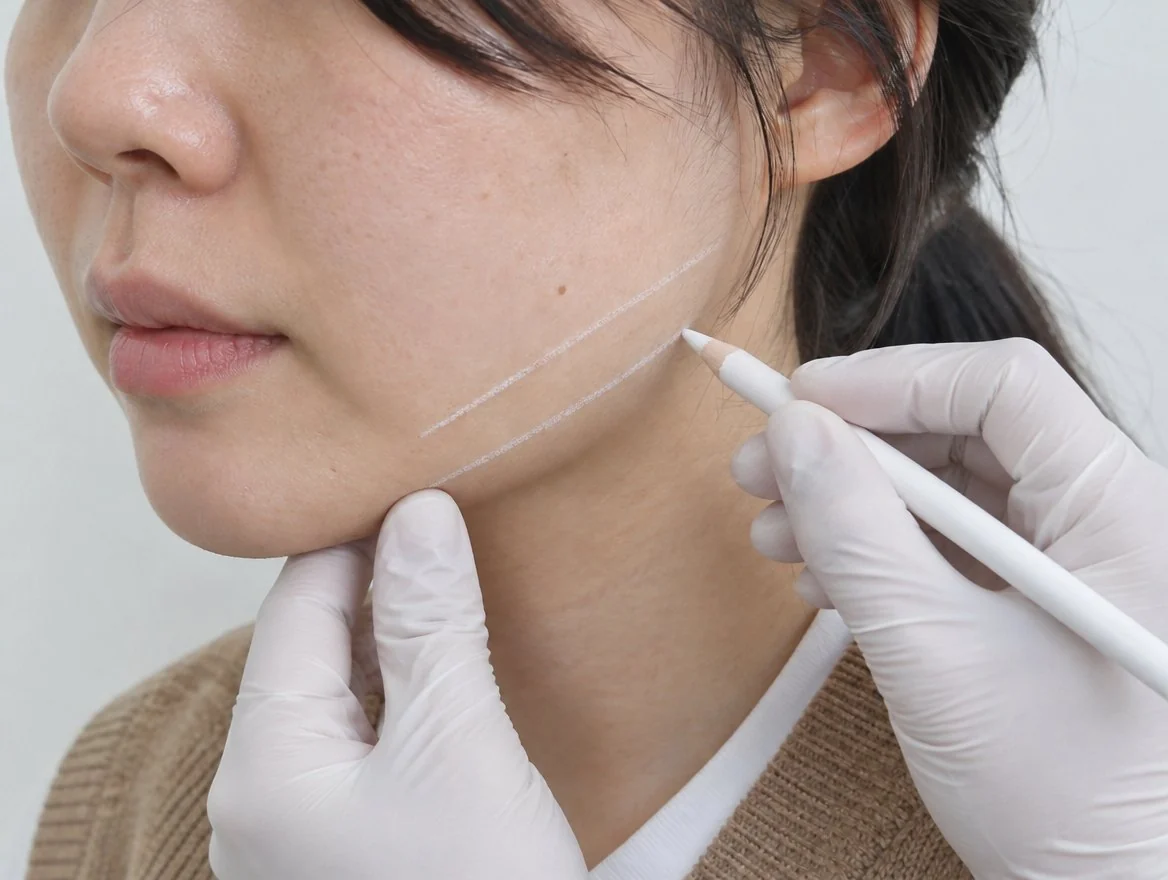 02
Energy design
The proportion of HIFU and RF is set by area, and shots are allocated using Dot and Line modes.
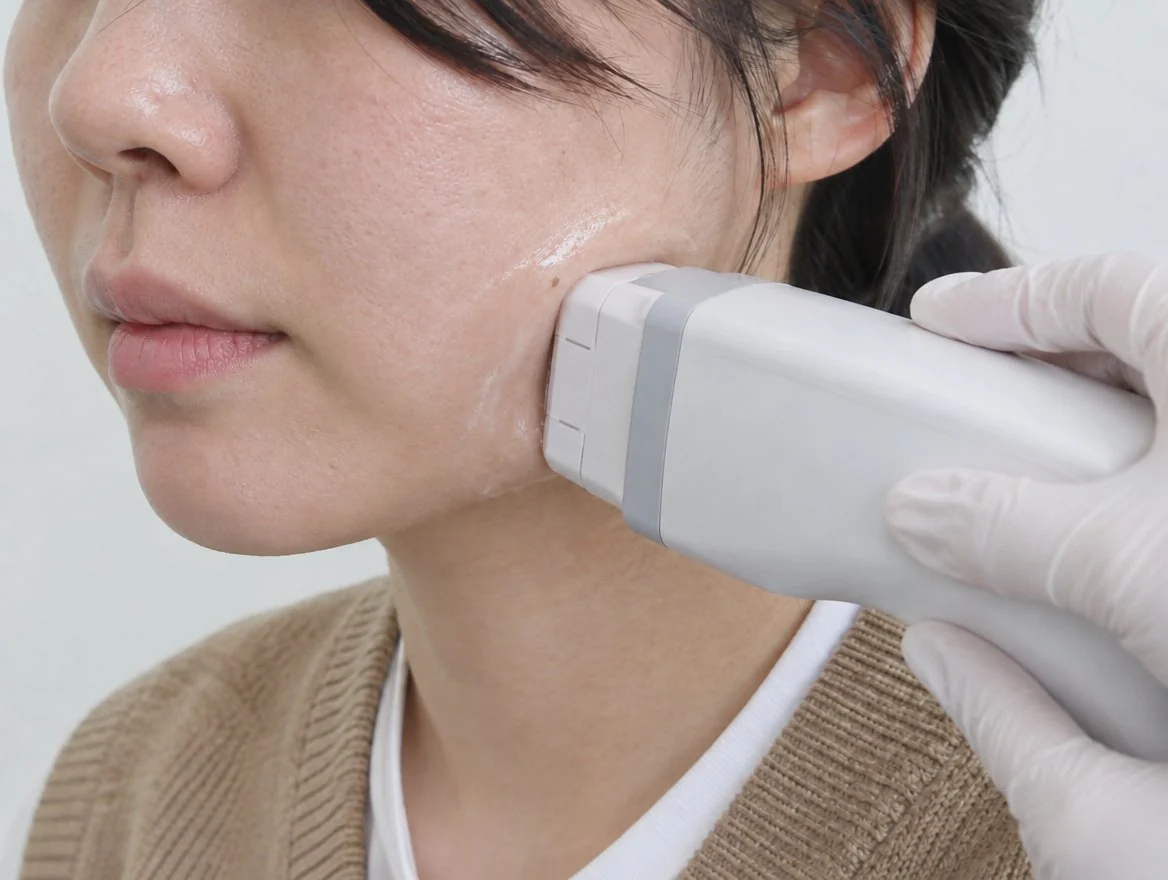 03
Treatment
A board-certified dermatologist switches between the HIFU and RF handpieces directly, adjusting intensity to your response.
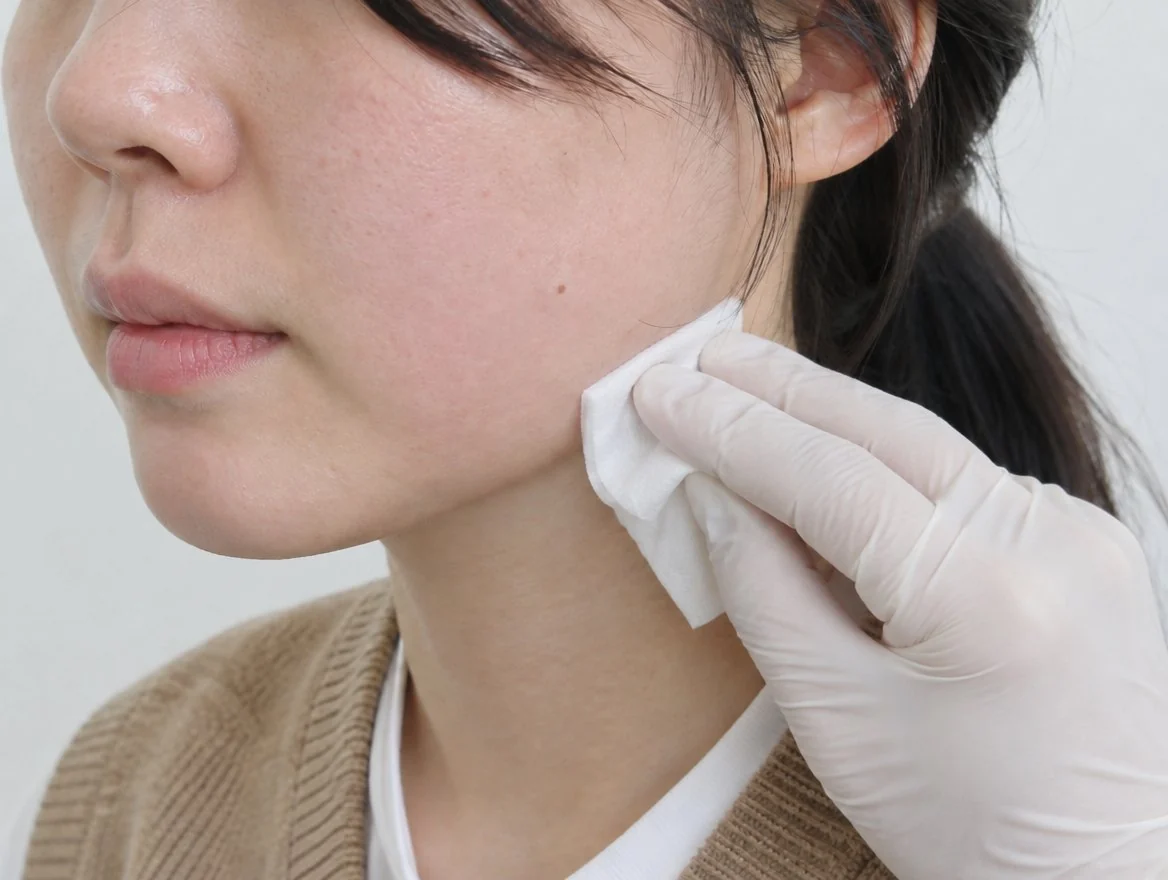 04
Aftercare
You go home after soothing care, with guidance on the recovery interval before the next treatment.
Every procedure is performed directly by a board-certified dermatologist.
05Aftercare
Recovery & care
- 01
Within 1-2 hours
Mild redness or warmth may occur but usually settles within a few hours. You can wash your face and wear makeup the same day.
- 02
Week 1
Avoid strong heat such as saunas, jjimjilbang, and heavy drinking for a few days, and moisturize more than usual.
- 03
Weeks 1-12
The collagen regeneration phase. Use sunscreen of SPF30 or higher daily to protect regenerating skin.
- 04
Progress check
Skin needs recovery time after high-output energy. The timing of the next treatment is decided after evaluating progress.

06FAQ
Frequently asked questions
What is V-RO Advance?
It is a combination lifting treatment that can use high-intensity focused ultrasound (HIFU) and radiofrequency (RF) in a single device. HIFU targets the deep fascial layer, and RF targets firmness in the dermis. When sagging and reduced firmness coexist, the two energies are planned separately by area.
How are ultrasound and RF divided?
The two energies are delivered through separate handpieces, and their proportion is set according to the depth each area needs. Areas that need more deep-layer lifting get a higher proportion of HIFU, and areas that need more firmness and tightening get a higher proportion of RF. The allocation is decided after checking skin thickness and where the sagging is located at consultation.
What are Dot mode and Line mode?
They are two delivery modes for distributing shots across the skin. They are used to define the areas where energy should be concentrated and to distribute shots without gaps. When treating narrow, curved areas precisely, the mode suited to the area is also selected.
Who is V-RO Advance suited to, and are there cases where it is not suitable?
We consider it for those who have both cheek and jawline sagging and reduced skin firmness and want to address several layers together. However, in some skin RF tends to stay at the surface and is hard to deliver deeply, in which case a different approach such as XERF may be a better fit. It is not recommended if you have an implanted electronic medical device, have metal implants, infection, or wounds in the treatment area, or are pregnant.
Does V-RO Advance hurt? How is anesthesia handled?
Because energy reaches deep layers, there tends to be a noticeable sensation and heat, and how much you feel differs by individual. If you are sensitive to pain, we decide the anesthesia method together at consultation and consider sedation if needed. A board-certified dermatologist adjusts the intensity while watching your response.
How long does treatment take, and what is the recovery time?
Treatment time varies with the area and shot configuration, so we advise you after consultation. You can return to daily life right after treatment, and temporary swelling, tingling, or redness may occur.
When do results appear, and how long do they last?
Results appear gradually over several months as collagen forms, and change often becomes gradually clearer at around 2-3 months. How long results last depends on skin condition and lifestyle and is advised after consultation, and the degree of change varies by individual.
How far apart should sessions be?
Intervals are planned individually after consultation. Skin that has received high energy needs time to recover, and narrowing the interval excessively makes results hard to expect and can cause adverse reactions. We check the progress from the previous treatment before deciding the next timing.
How is it different from Ultherapy PRIME or Thermage FLX?
The energy configuration differs. Ultherapy PRIME is a focused ultrasound (HIFU) device and Thermage FLX a monopolar RF device, while V-RO Advance uses both energies through separate handpieces in one device. Allocating energy to suit the area and depth matters more than which device is used, so we advise a suitable combination after consultation.
Is it also combined with XERF or Oligio?
Yes, depending on skin condition and the treatment depth needed, they are sometimes planned together. This approach combines RF devices such as XERF or Oligio with V-RO Advance's ultrasound, varying the energy proportion by area. The combination and order are decided after consultation.
Is there anything to be careful about after treatment?
For a few days after treatment, avoid strong heat such as saunas, jjimjilbang (Korean bathhouses), and heavy drinking, and moisturize well. While collagen regenerates, we recommend using sunscreen of SPF30 or higher every day. If swelling or tingling persists, please contact the clinic.
How much does V-RO Advance cost, and how do I book?
The cost depends on the area and shot configuration, so it is confirmed after consultation. Reference prices can be found on the price list on our website. Booking is available via Naver Booking, our KakaoTalk channel, or phone (+82-51-710-1891), and consultations are also available via LINE.
Fees
Pricing depends on area and shot configuration, and is confirmed after consultation. Reference prices are listed on our fee schedule.
See the fee schedule →References 5
- Approval: V-RO Advance · MFDS (Korean FDA) approved
- Manufacturer: Korean-made device
- Korea MFDS medical device registry
- Korean Dermatological Association
- Reviewed by: Dr. Tae Hoon Kim, Medical Director
⚠ Cautions & contraindications
- Implanted electronic medical devices such as pacemakers or defibrillators
- Metal or electronic implants in the treatment area
- Active infection or open wounds in the treatment area
- Pregnancy (not recommended due to insufficient safety data)
Summary & comparison
| Treatment | Target layer | Main change | Duration | How long it lasts | Downtime |
|---|---|---|---|---|---|
| V-RO Advance | L4 SMAS & Muscle | Combination lifting that plans ultrasound and RF in one device | Advised after consultation, depending on the number of shots | Varies by individual; advised after consultation | Immediate return to daily life; temporary swelling, tingling, or redness possible |
| Ultherapy PRIME | L4 SMAS & Muscle | Ultrasound lifting that reaches the SMAS layer | 40-60 minutes depending on the number of shots | Typically 6 months to 1 year (individual results vary) | Immediate return to daily life; temporary swelling or tingling possible |
| Thermage FLX | L2 Dermis | Monopolar RF tightening that rebuilds dermal collagen | 40-60 minutes depending on the number of shots | Typically around 1 year (individual results vary) | Immediate return to daily life; temporary flushing possible |
| Accent Prime Tune Face | L3 Fat layer | RF lifting that tunes texture, firmness, and contour together | 30-50 minutes | Maintained over several months (individual results vary) | Immediate return to daily life |
| Oligio | L2 Dermis | Monopolar RF tightening with a lighter footprint | 30-50 minutes | Several months to 1 year (individual results vary) | Immediate return to daily life |
Treatments used for the same concern, placed side by side. Which one fits is decided in consultation after the layer is identified.
Next step
Wondering if this treatment fits you?
Tell us what concerns you, and after your consultation we will explain the suitable treatment, schedule and fees in detail.